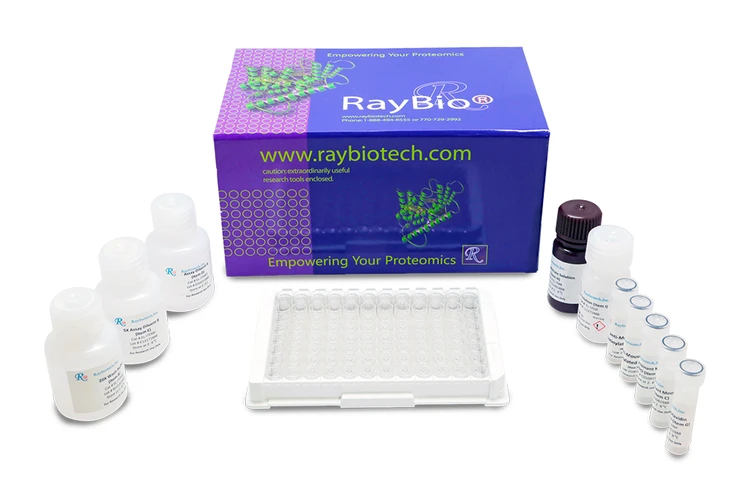


Mouse Insulin ELISA Kit

Katalog-Nummer ELM-Insulin-1

Size : 1PlateKit

Marke : RayBiotech


Mouse Insulin ELISA Kit

RayBio® Mouse Insulin ELISA Kit for cell culture supernatants, EDTA and/or Citrate treated plasma, and serum samples. Heparin is not recommended as an anticoagulant for use in this assay.

Lead time: Typically ships within 1-2 business days. No Friday shipments.
Contact Us for Bulk Request

Product Description

Specifications

Size1 Plate Kit, 2 Plate Kit, 5 Plate Kit, 10 Plate Kit
SpeciesMouse
Sensitivity
5 µIU/ml

Need more sensitivity? Check out the new NexaTag® kit for this target. Still not enough? Then your answer is our Ultrasensitive Biomarker Testing Service powered by Simoa™ technology.

Detection Range
5 µIU/ml - 400 µIU/ml
Specificity
This ELISA antibody pair detects mouse, human, rat, porcine and bovine Insulin.
Compatible Sample TypesCell Culture Supernatants, Plasma, Serum
Recommended Dilution (Serum/Plasma)
2 fold
Accession Number
P01325
Gene Id
16333
Gene Symbols
INS1, INS-1
Protein Name / Synonyms
Insulin-1 [Cleaved into: Insulin-1 B chain Insulin-1 A chain]
Quantitative/Semi-QuantitativeQuantitative
Solid Support
96-well Microplate
Design PrincipleSandwich-based
Method Of DetectionColorimetric
Shipping TypeBlue ice
Storage≤-20°C

Target Background

Insulin decreases blood glucose concentration. It increases cell permeability to monosaccharides, amino acids and fatty acids. It accelerates glycolysis, the pentose phosphate cycle, and glycogen synthesis in liver.

Product Features

  • Strip plates and additional reagents allow for use in multiple experiments
  • Quantitative protein detection
  • Establishes normal range
  • The best products for confirmation of antibody array data

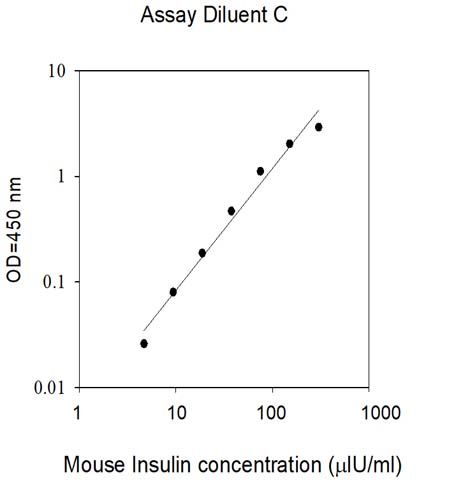
Standard Curves

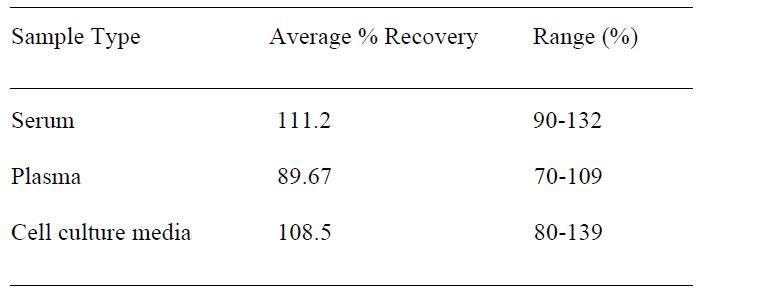
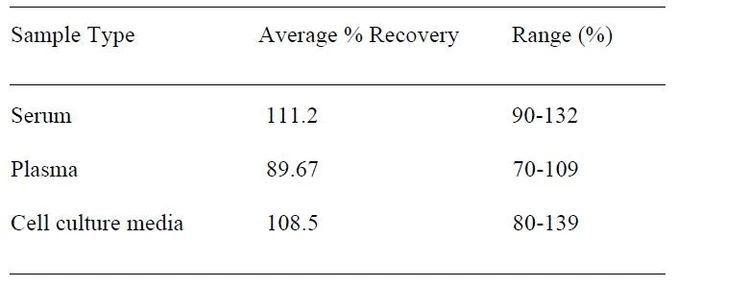
Spiking & Recovery Results

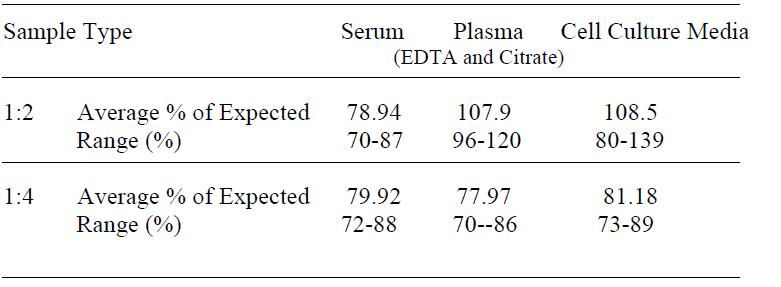
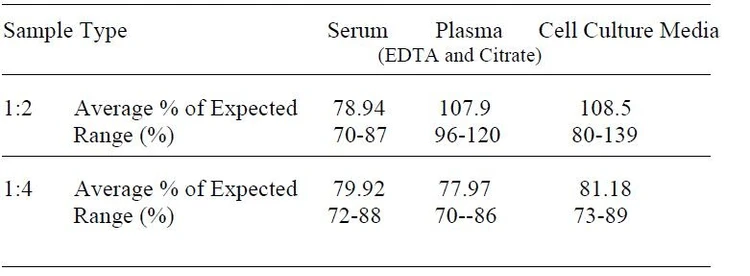
Linearity Results

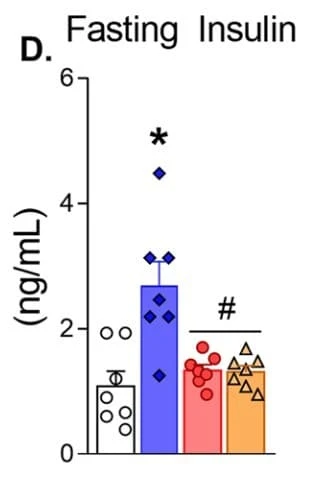
Typical Data

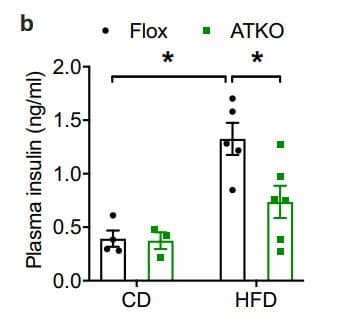
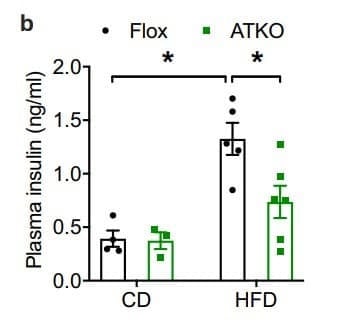
ELM-Insulin was used to measure plasma insulin in high-fat diet–fed adipocyte-specific TRPM7 knockout mice. Figure adapted from Zhong et al., Nature Communications, 2023.


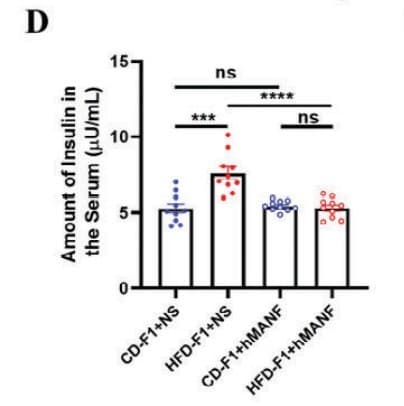
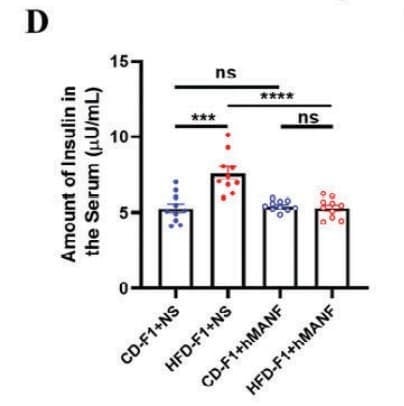
ELM-Insulin was used to measure fasting serum insulin in female offspring of paternal high-fat diet–induced obese mice. Figure adapted from Shi et al., Advanced Science, 2025.


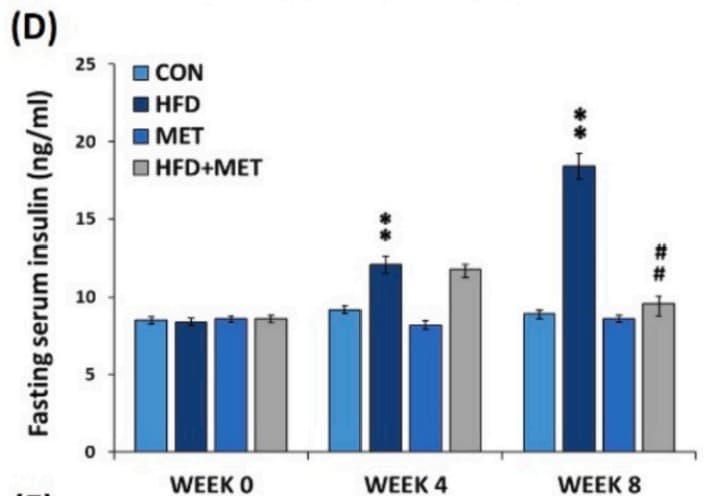
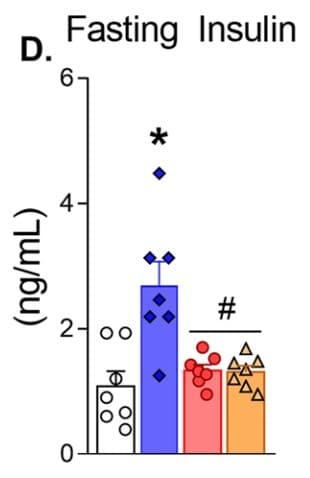
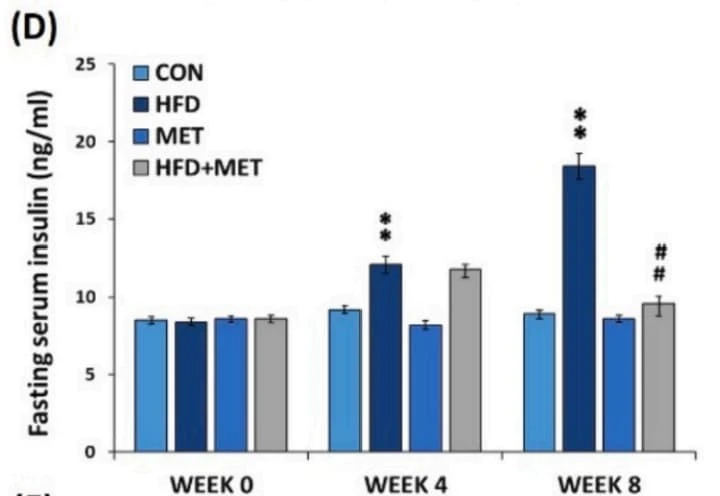
ELM-Insulin-1 was used to measure fasting serum insulin in high-fat diet–fed mice treated with metformin. Figure adapted from Mitra et al., BBA – Molecular Basis of Disease, 2024.


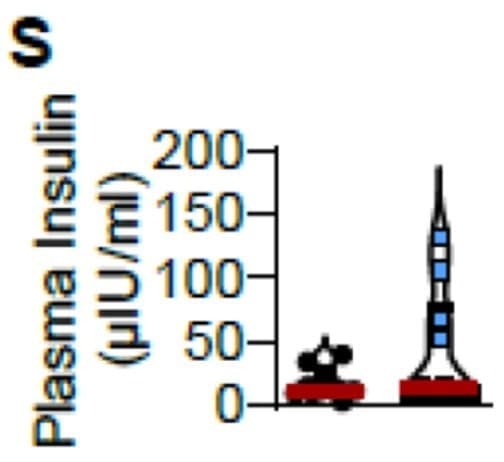
ELM-Insulin-1 was used to measure plasma insulin in group-housed and adolescent-isolation C57BL/6J mice. Figure adapted from Kolling et al., Psychiatry Research, 2024.


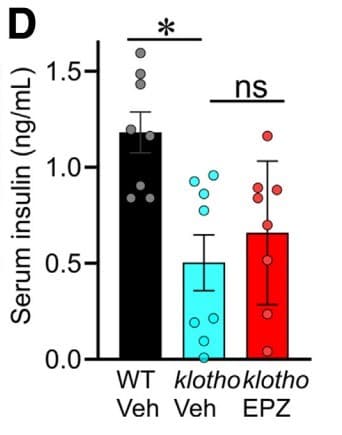
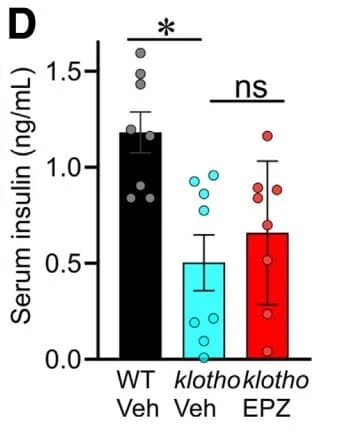
ELM-Insulin was used to measure serum insulin in klotho mice treated with the EZH2 inhibitor EPZ6438. Figure adapted from Taheri et al., Cellular and Molecular Gastroenterology and Hepatology, 2024.


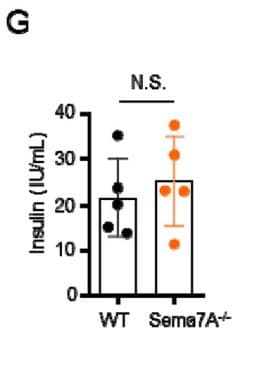
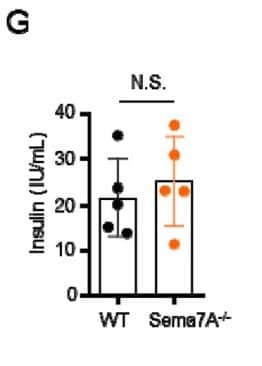
ELM-Insulin was used to measure fasting serum insulin in high-fat diet–fed Sema7A knockout mice. Figure adapted from Lu et al., Molecular Metabolism, 2023.


ELM-Insulin was used to measure fasting serum insulin in hyperinsulinemic Slc2a4+/− mice following short-term endurance or strength exercise. Figure adapted from Muñoz et al., Cellular and Molecular Life Sciences, 2023.

Kit Components

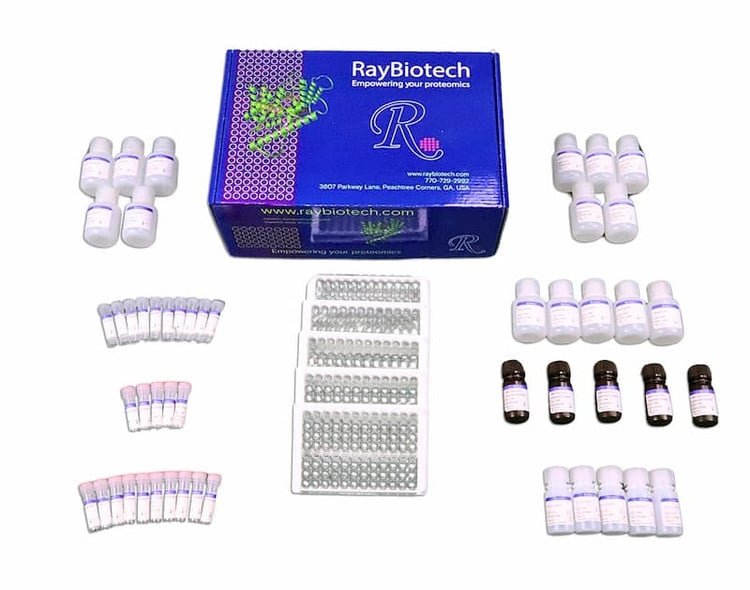
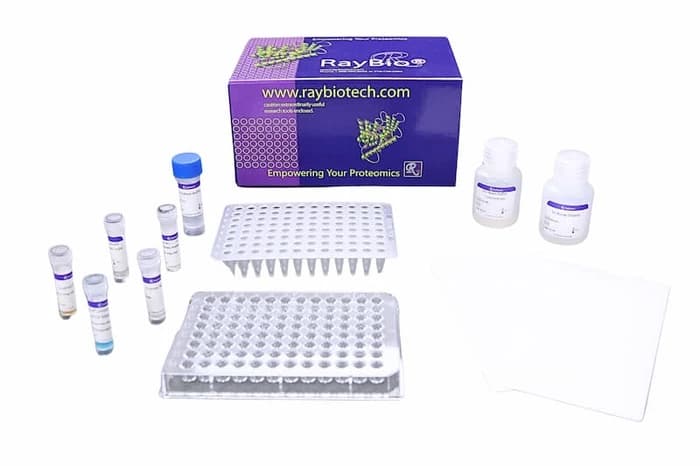
  • Pre-Coated 96-well Strip Microplate
  • Wash Buffer
  • Stop Solution
  • Assay Diluent(s)
  • Lyophilized Standard
  • Biotinylated Detection Antibody
  • Streptavidin-Conjugated HRP
  • TMB One-Step Substrate

Additional Materials Required

  • Distilled or deionized water
  • Precision pipettes to deliver 2 µL to 1 µL volumes
  • Adjustable 1-25 µL pipettes for reagent preparation
  • 100 µL and 1 liter graduated cylinders
  • Tubes to prepare standard and sample dilutions
  • Absorbent paper
  • Microplate reader capable of measuring absorbance at 450nm
  • Log-log graph paper or computer and software for ELISA data analysis

Assay Procedure Summary

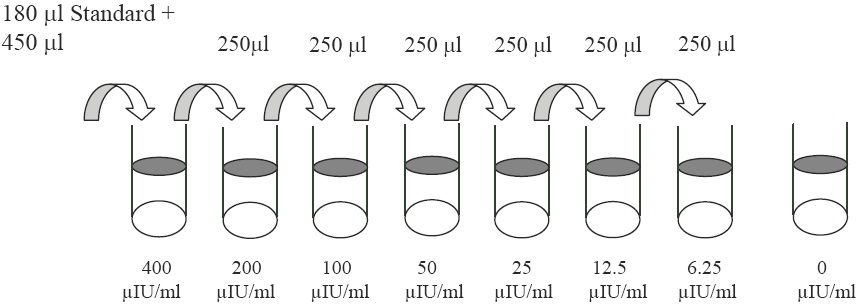
  1. Prepare all reagents, samples and standards as instructed in the manual.
  2. Add 100 µL of standard or sample to each well.
  3. Incubate 2.5 h at RT or O/N at 4°C.
  4. Add 100 µL of prepared biotin antibody to each well.
  5. Incubate 1 h at RT.
  6. Add 100 µL of prepared Streptavidin solution to each well.
  7. Incubate 45 min at RT.
  8. Add 100 µL of TMB One-Step Substrate Reagent to each well.
  9. Incubate 30 min at RT.
  10. Add 50 µL of Stop Solution to each well.
  11. Read at 450 nm immediately.

Storage/Stability

The entire kit may be stored at -20°C for up to 1 year from the date of shipment. Avoid repeated freeze-thaw cycles. The kit may be stored at 4°C for up to 6 months. For extended storage, it is recommended to store at -80°C.

Customize This Mouse Insulin ELISA

We manufacture our ELISAs in-house, so we can build a custom version for your study.

  • Post-translational modifications (PTMs): Detect modified Insulin (INS), including phosphorylation, acetylation, S-nitrosylation, S-acylation, oxidation, lactylation, sumoylation, ubiquitination, nitration, carbamylation, and more
  • Sample types: Validation in your matrix using samples you provide, such as CSF, urine, saliva, lysates, or exosomes
  • Also available: More sensitive platforms such as Simoa® and NexaTag®, multiplex panels, bulk lots, and other species when suitable reagents exist

Feasibility varies by target and modification, and we’ll tell you upfront what’s achievable.

Learn more about custom ELISA development

documents

Excel (Sandwich-ELISA-Analysis-Tool.xlsm)

citations

  • Sirtuin-1 directly binds and deacetylates hepatic PCSK9 thereby promoting the inhibition of LDL receptor degradation

    Species:
    Mouse
    Sample Type:
    Serum (ApoE-/- mice, high-cholesterol diet)
    Year:
    2025
    Journal Name:
    Cardiovascular Research
    PubMed ID:
    40653676
  • Jiawei Qi Gong Wan Improves Endometrial Receptivity in PCOS-like Mice by Attenuating Inflammation: A Multi-Omics Study Linking Gut Microbiota and Metabolite Profiles

    Species:
    Mouse
    Sample Type:
    Serum (PCOS-like mice)
    Year:
    2026
    Journal Name:
    Pharmaceuticals
    PubMed ID:
    42653652
  • Octanoic Acid-Rich Enteral Nutrition Alleviates Sepsis-Associated Metabolic Disorders by Suppressing White Adipose Tissue Browning in Mice

    Year:
    2026
    Journal Name:
    Food Science & Nutrition
    PubMed ID:
    42282442
  • Pomegranate-derived nanovesicles as therapeutic agents for acute pancreatitis in a murine model: anti-inflammatory, antioxidant, and endocrine-protective properties

    Species:
    Mouse
    Sample Type:
    Plasma (citrate plasma)
    Year:
    2026
    Journal Name:
    Extracellular vesicles and circulating nucleic acids
    PubMed ID:
    41983062
  • Chemerin alleviates the placental oxidative stress and improves fetal overgrowth of gestational diabetes mellitus mice induced by high fat diet

    Species:
    Mouse
    Sample Type:
    Serum (serum of orbital venous blood)
    Year:
    2024
    Journal Name:
    Molecular Medicine
    PubMed ID:
    39616329
  • Adipose-specific deletion of the cation channel TRPM7 inhibits TAK1 kinase-dependent inflammation and obesity in male mice

    Species:
    Mouse
    Sample Type:
    Serum
    Year:
    2023
    Journal Name:
    Nature Communications
  • Ophiopogonin D improves pancreatic islet cell dedifferentiation to treat diabetes by regulating the GRP78/ROS/PDX1 signaling pathway

    Species:
    Mouse
    Sample Type:
    Serum (diabetic mice)
    Year:
    2025
    Journal Name:
    Frontiers in Pharmacology
    PubMed ID:
    40365319
  • Antibiotic Cocktail: An Excellent Tool to Probe Physiology by Perturbing Gut Microbiota: A Mice Model

    Species:
    Mouse
    Sample Type:
    Serum (overnight-fasted, antibiotic-treated mice)
    Year:
    2025
    Journal Name:
    Current microbiology
    PubMed ID:
    40817939
  • GLP-1 receptor agonist properties of a chimeric peptide derived by hybridization of Latrodectus αLatrotoxin and Heloderma Exendin-4

    Species:
    Mouse
    Sample Type:
    Plasma (db/+ and db/db mice after OGTT)
    Year:
    2025
    Journal Name:
    General and comparative endocrinology
    PubMed ID:
    40347985
  • Metabolic resilience governs sex-specific pain recovery during hormonal aging: a multi-omics study of neuropathy in mice

    Species:
    Mouse
    Sample Type:
    Serum (6 h and 7 days post-CCI)
    Year:
    2025
    Journal Name:
    Frontiers in pain research (Lausanne, Switzerland)
    PubMed ID:
    41158618

Sie könnten auch an folgenden Produkten interessiert sein:


Katalog-Nummer
Beschreibung
Cond.
Preis zzgl. MwSt.