

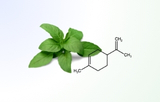
Terpenoids, also known as isoprenoids, represent the largest and most diverse class of plant secondary metabolites, comprising over 80,000 distinct structures. They are biosynthesized from isopentenyl diphosphate (IPP) units and display a wide range of ecological and pharmacological activities, making them critical molecules in plant biology and biotechnology.
Biosynthetic Pathways
Terpenoids originate from two independent C5 precursor pathways. The mevalonate (MVA) pathway, located in the cytosol and endoplasmic reticulum, produces IPP via the sequence acetyl-CoA (×3) → HMG-CoA → mevalonate, which feeds into the formation of sesquiterpenes (C15), triterpenes (C30), and sterols. The 2C-methyl-D-erythritol-4-phosphate (MEP) plastidial pathway generates IPP and DMAPP from glyceraldehyde-3-phosphate and pyruvate, supplying monoterpenes (C10), diterpenes (C20), carotenoids (C40), and prenyl anchors. Prenyltransferases, such as farnesyl pyrophosphate synthase, elongate C5 units into C10, C15, and C20, followed by cyclization through carbocation cascades catalyzed by terpene synthases.
Structural Classification
Terpenoids are classified based on the number of carbon atoms in their structures: hemiterpenoids (C5, e.g., isoprene); monoterpenoids (C10, e.g., menthol, limonene); sesquiterpenoids (C15, e.g., artemisinin, farnesol); diterpenoids (C20, e.g., taxol, gibberellins); sesterterpenoids (C25); triterpenoids (C30, e.g., squalene → cholesterol, lanosterol); tetraterpenoids (C40, e.g., β-carotene, lycopene); and polyterpenoids (e.g., natural rubber, gutta-percha).