

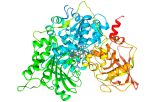
Allergens are molecules capable of eliciting hypersensitivity reactions in susceptible individuals. Most clinically relevant allergens are proteins or glycoproteins derived from diverse biological sources, including foods, pollens, house dust mites, animal dander, molds, insect venoms, latex, and microorganisms. These molecules can trigger immune responses through multiple mechanisms, most commonly immunoglobulin E (IgE)-mediated pathways, leading to allergic diseases such as asthma, allergic rhinitis, atopic dermatitis, food allergy, and anaphylaxis.
The study of allergens is fundamental to allergy research, immunology, molecular diagnostics, environmental health, and therapeutic development. Characterized allergens serve as essential tools for investigating sensitization mechanisms, epitope recognition, cross-reactivity patterns, immune regulation, and host-environment interactions. Purified native allergens, recombinant allergens, allergen extracts, antibodies, and reference standards are widely used in assay development, biomarker discovery, immunological studies, diagnostic validation, and quality control applications.
Key Features
- Derived from diverse allergen sources including foods, pollens, mites, animal dander, molds, venoms, and latex.
- Available as purified native proteins, recombinant allergens, extracts, antibodies, and reference materials.
- Support studies of IgE binding, allergenicity, sensitization mechanisms, and immune responses.
- Enable epitope mapping, cross-reactivity analysis, and structure-function investigations.
- Compatible with ELISA, immunoblotting, multiplex immunoassays, cell-based assays, flow cytometry, and proteomic workflows.
- Useful for allergy diagnostics, therapeutic research, environmental monitoring, and assay validation.
- Produced under rigorous quality control to ensure high purity, consistency, and reproducibility.