

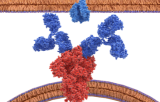
Recombinant antibodies and proteins are engineered using recombinant DNA technology, enabling precise and consistent production of highly specific molecules crucial for cell and gene therapy applications. Unlike traditional antibodies produced by animal immunization or hybridoma methods, recombinant antibodies are generated from known DNA sequences in mammalian cell lines, eliminating batch-to-batch variability and ethical concerns related to animal use.
Key Advantages of Recombinant Antibodies and Proteins
Recombinant antibodies and proteins offer several advantages that enhance their utility in cell and gene therapy:
- High Specificity and Affinity: Recombinant antibodies are designed to bind their target antigens with exceptional precision, minimizing off-target effects. This is essential for therapies requiring selective targeting, such as cancer immunotherapies and gene delivery systems.
- Consistent and Scalable Production: Because recombinant antibodies are produced from defined DNA sequences, their manufacturing is highly reproducible and scalable, supporting both research and clinical-grade production. This overcomes challenges linked to hybridoma instability and variability.
- Engineering Flexibility: Recombinant technology allows for extensive antibody engineering, including the creation of various formats such as single-chain variable fragments (scFv), Fab fragments, bispecific antibodies, and antibody-drug conjugates. These formats enable tailored therapeutic and diagnostic applications, including CAR-T cell targeting domains and multispecific immune modulators.
- Reduced Animal Use: Production in vitro bypasses animal immunization, aligning with ethical standards and regulatory encouragement to reduce animal use in research and manufacturing.
- Enhanced Therapeutic Potential: Recombinant antibodies can be humanized or modified to reduce immunogenicity, improve tissue penetration, and enable site-specific conjugation to drugs or imaging agents, expanding their clinical utility.
Applications in Cell and Gene Therapy
Recombinant antibodies and proteins are integral to several key applications in cell and gene therapy:
- Targeting Cancer Cells: Recombinant scFv fragments are commonly used in CAR-T cell therapies to direct immune cells to tumor-specific antigens, improving treatment specificity and efficacy.
- Gene Therapy Vector Delivery: Antibody-based targeting enhances the precision of gene delivery vectors, reducing off-target effects and improving therapeutic outcomes.
- Immune Modulation: Bispecific antibodies can simultaneously engage immune effector cells and target cells, boosting immune responses against cancer or infected cells.
- Diagnostics and Research: Recombinant antibodies are widely used in biomarker detection, protein purification, and imaging, facilitating both fundamental research and clinical diagnostics.