

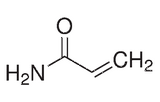
Protein gel electrophoresis is a fundamental technique for separating proteins based on their size and charge, and it can be performed on either agarose gels or acrylamide gels. The latter is more commonly used in protein analysis and is specifically referred to as polyacrylamide gel electrophoresis (PAGE).
PAGE uses a cross-linked acrylamide gel matrix formed by the polymerization of acrylamide monomers in the presence of bis-acrylamide, which acts as a cross-linker. This polymerization reaction is catalyzed by ammonium persulfate (APS) and TEMED (N,N,N',N'-tetramethylethylenediamine). APS generates free radicals that initiate polymerization, while TEMED accelerates this process. The result is a three-dimensional mesh network whose pore size depends on the total concentration of acrylamide and bis-acrylamide.
Effect of Acrylamide Concentration
The acrylamide concentration directly influences the gel’s pore size and thus its sieving properties. Lower percentages of acrylamide (usually 4–8%) form gels with larger pores, which allow larger proteins to migrate more freely through the matrix. Conversely, higher percentages (around 12–20%) produce gels with smaller pores, restricting the passage of large proteins and improving the resolution of smaller proteins. This tunable pore size is crucial for adapting the gel to the molecular size range of the proteins of interest.
Types of Acrylamide Gels
- Uniform Gels: Maintain a constant acrylamide concentration throughout their length; simpler to prepare and suitable when the protein size range is narrow.
- Gradient Gels: Feature a continuous increase in acrylamide concentration from top to bottom, creating a gradually tightening mesh. This allows simultaneous resolution of a broad range of proteins—from high molecular weight to low molecular weight—within the same gel.
In summary, acrylamide gels behave as molecular sieves in PAGE, where the degree of polymerization and acrylamide concentration determines the mesh size and controls protein migration. By selecting the appropriate gel percentage or gradient, researchers can optimize the electrophoresis to achieve better resolution tailored to the sizes of proteins under study. This flexibility makes PAGE a highly versatile and widely used method in proteomics and molecular biology.
