

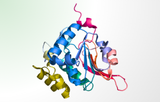
Cell and gene therapies have revolutionized modern medicine by offering innovative treatments for diseases previously considered incurable. Central to these therapeutic modalities are proteins, which play multifunctional roles ranging from therapeutic agents themselves to critical mediators of cellular processes enabled by genetic modifications.
Therapeutic Proteins as Direct Agents
Proteins themselves can serve as direct therapeutics, often termed protein therapy. Therapeutic proteins frequently replace deficient or defective proteins in patients, providing a direct biological function that small molecule drugs cannot easily replicate. Their specificity and complexity enable them to perform precise cellular functions, including enzymatic activity, signaling, and immune modulation, making them indispensable in various therapies.
Advantages of therapeutic proteins include higher specificity, reduced adverse effects, and better clinical tolerance since many are endogenous to the human body. Examples include recombinant insulin and PEGylated therapeutic proteins designed for enhanced stability and efficacy in conditions such as chronic hepatitis and immune deficiencies.
Proteins in Cell Therapy
In cell therapy, proteins such as growth factors, cytokines, and enzymes regulate cell proliferation, differentiation, and survival. Recombinant proteins support cell expansion ex vivo and modulate immune responses when administered with cellular products. Their careful selection and optimization impact cell therapy outcomes profoundly.
Emerging approaches also enhance endogenous protein production within genetically modified cells to improve therapeutic potency. For instance, regulators of protein synthesis can be targeted to increase the production of therapeutic proteins in cells seeded for transplantation.
Proteins and Gene Therapy
Gene therapy modifies or introduces genes to reprogram cells to produce beneficial proteins often absent or defective in the patient. The therapeutic goal is to enable the patient's cells to continuously express the target protein, potentially offering long-term or permanent effects after a single treatment.
Genes introduced via vectors code for a variety of proteins including structural, enzymatic, or secretory proteins. For example, gene therapy for alpha-1 antitrypsin deficiency aims to restore expression of the AAT protein missing in affected patients, which is crucial for preventing lung tissue degradation.
Importantly, proteins associated with gene delivery vectors such as envelope or capsid proteins regulate tissue targeting and transduction efficiency, underscoring the essential role of proteins beyond therapeutic payloads.
Proteins are foundational to both cell and gene therapy, operating as therapeutic agents, regulators, and products of genetic modification. Their multifaceted roles span direct replacement therapy, enhancement of cell products, and permanent correction of genetic defects. Continued innovation in protein engineering, delivery systems, and cellular biology will enhance the safety and effectiveness of these transformative therapies.