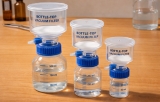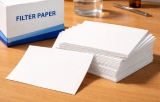
Tecniche di filtrazione e concentrazione sono essenziali per la preparazione di campioni biologici in biochimica e biologia molecolare. Questi metodi supportano la purificazione di biomolecole, lo scambio di tamponi, la desalinizzazione e la riduzione del volume del campione prima di flussi di lavoro analitici o diagnostici.
Tecnologie Principali
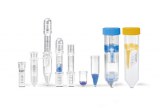
I dispositivi di filtrazione centrifuga utilizzano la forza centrifuga, tipicamente operante tra 2.000 e 5.000 g, per ottenere una rapida concentrazione di campioni biologici attraverso membrane di ultrafiltrazione. Questi sistemi possono fornire fattori di concentrazione di 50–200× trattenendo più del 95 % delle macromolecole, con tempi di elaborazione generalmente compresi tra 15 e 30 minuti.
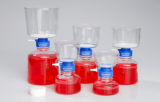
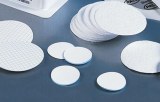
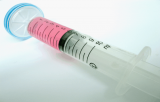
I filtri per siringa con dimensioni dei pori tra 0,2 e 0,45 μm sono comunemente utilizzati per la chiarificazione dei campioni prima di analisi cromatografiche come HPLC o GC. Le membrane per dialisi consentono la desalinizzazione basata su diffusione passiva per biomolecole sensibili, inclusi virus e vescicole extracellulari. Le tecnologie a dischi di membrana sono anche impiegate in configurazioni di bioprocessing scalabili.
Applicazioni Biochimiche
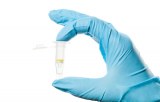
Nella proteomica, i sistemi di filtrazione e concentrazione vengono utilizzati per lo scambio di tamponi dopo procedure di immunoprecipitazione o per l’arricchimento del campione prima dell’analisi di spettrometria di massa. In biologia molecolare, i dispositivi di filtrazione a centrifuga facilitano la pulizia dei campioni per il sequenziamento di nuova generazione e la preparazione di plasmidi rimuovendo primer, sali e contaminanti senza precipitazione con solventi organici.