

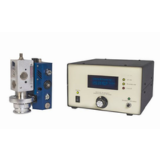
Decontaminators are technologies and procedures used in laboratory and clinical environments to eliminate or inactivate biological, chemical, and molecular contaminants from surfaces, instruments, and controlled spaces. In peer-reviewed literature on laboratory biosafety and contamination control, decontamination is consistently identified as a critical step for maintaining experimental validity, preventing cross-contamination, and ensuring operator and environmental safety, particularly in molecular biology, cell culture, and high-precision analytical workflows.
In advanced analytical systems such as electron microscopy and vacuum-based instrumentation, contamination—especially hydrocarbon deposition—can significantly degrade performance. Studies in surface science and electron microscopy demonstrate that organic residues within vacuum chambers can lead to imaging artifacts, reduced resolution, and beam instability. Plasma-based decontamination systems have therefore been widely adopted as an effective non-contact method for breaking down carbon-based contaminants into volatile compounds that are removed under vacuum conditions, restoring instrument performance without mechanical or chemical abrasion.
Similarly, in molecular biology and diagnostic laboratories, decontamination protocols are essential for eliminating nucleic acid contamination (DNA/RNA carryover), which is a well-documented source of false-positive results in PCR-based assays. Peer-reviewed studies in laboratory contamination control emphasize that effective decontamination strategies significantly reduce amplification artifacts and improve diagnostic reliability.
Main Categories of Decontamination Systems
Decontamination technologies can generally be classified as:
- Plasma decontamination systems for electron microscopy and vacuum chambers
- Chemical decontamination agents for surface and molecular cleaning
- UV-based decontamination systems for biosafety cabinets and air handling
- Thermal decontamination systems (autoclaves, dry heat) for reusable materials
- DNA/RNA decontamination reagents for molecular biology workflows
- Room and surface decontamination systems for controlled environments
Applications
Decontamination systems are widely used in:
- Electron microscopy and surface analysis
- Molecular biology and PCR laboratories
- Cell culture and biotechnology facilities
- Clinical diagnostics and hospitals
- Pharmaceutical and GMP environments
- Cleanrooms and high-containment laboratories