

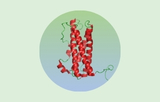
Prolactin (PRL) is a polypeptide hormone primarily recognized for its essential role in lactation but now known to be a multifunctional hormone involved in more than 300 physiological processes across numerous species. Human prolactin is a single-chain protein composed of 199 amino acids and contains three intrachain disulfide bonds that are essential for maintaining its tertiary structure and biological activity. PRL belongs to the somatotropin/prolactin hormone family, sharing significant structural homology with growth hormone (GH) and placental lactogen. Unlike most anterior pituitary hormones, prolactin secretion is predominantly regulated by tonic inhibitory control from the hypothalamus.
Biosynthesis and Regulation
Prolactin is synthesized primarily by lactotroph cells of the anterior pituitary gland, which account for approximately 20–30% of the pituitary cell population. Expression of the PRL gene is regulated by its proximal promoter, with the pituitary-specific transcription factor Pit-1 playing a critical role in lactotroph differentiation and prolactin gene transcription. The principal physiological regulator of prolactin secretion is dopamine, released from tuberoinfundibular dopaminergic (TIDA) neurons of the arcuate nucleus. Dopamine reaches the anterior pituitary through the hypophyseal portal circulation and binds dopamine D2 receptors on lactotrophs, thereby suppressing prolactin synthesis and secretion. Because dopamine provides continuous inhibitory control, disruption of the pituitary stalk or impairment of dopaminergic signaling commonly results in hyperprolactinemia. In contrast, thyrotropin-releasing hormone (TRH) stimulates prolactin release, explaining the mild hyperprolactinemia frequently observed in patients with primary hypothyroidism.
Clinical Significance
Hyperprolactinemia is among the most common endocrine disorders affecting the pituitary gland. In women, elevated prolactin levels frequently cause galactorrhea, oligomenorrhea or amenorrhea, and infertility. In men, hyperprolactinemia commonly presents with hypogonadism, decreased libido, erectile dysfunction, and infertility. The condition may result from prolactin-secreting pituitary adenomas (prolactinomas), compression of the pituitary stalk by non-functioning tumors, or the use of medications such as antipsychotics and antidepressants that interfere with dopaminergic signaling. First-line treatment consists of dopamine agonists, including cabergoline and bromocriptine, which effectively reduce prolactin secretion and frequently induce tumor shrinkage. Surgical intervention may be considered when medical therapy is ineffective or poorly tolerated. Measurement of serum prolactin concentrations remains an essential laboratory test for evaluating pituitary disorders, reproductive dysfunction, and infertility.
