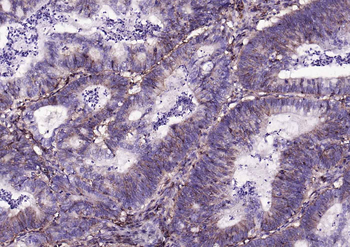
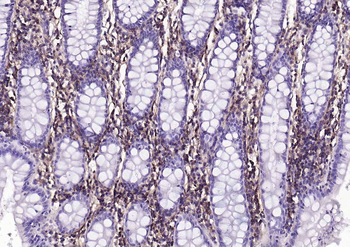
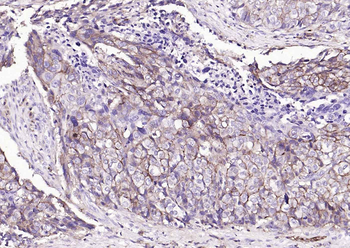
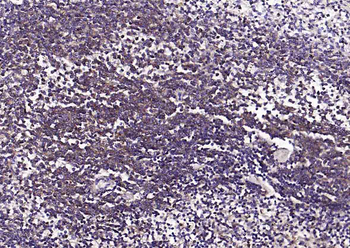
Heparan Sulfate [9050-30-0]

Référence orb1217497-25mg

Conditionnement : 25mg

Marque : Biorbyt


Heparan Sulfate

SKU: orb1217497

Description

Heparan Sulfate is a complex and linear polysaccharide, exists as part of glycoproteins named heparan sulfate proteoglycans, which are expressed abundantly on the cell surface and in the extracellular matrix.

Research Area

FGFR|Human Endogenous Metabolite|Wnt, Proteasome/Ubiquitin

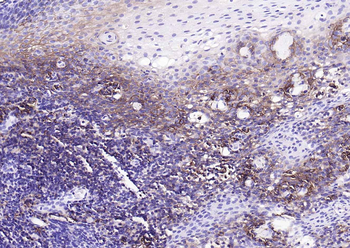
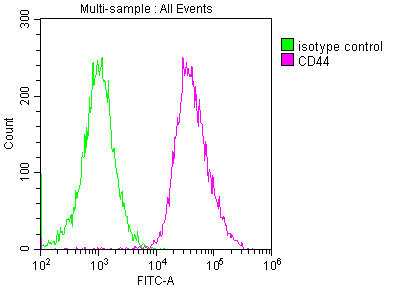
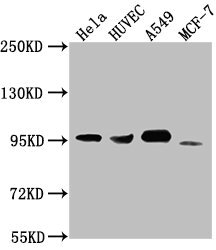
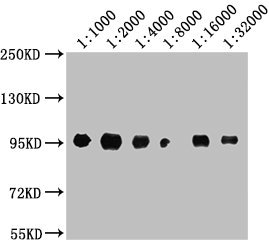
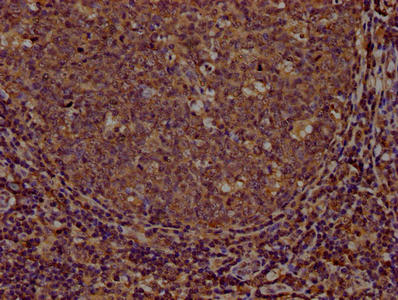
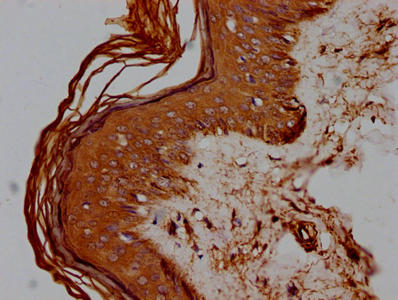
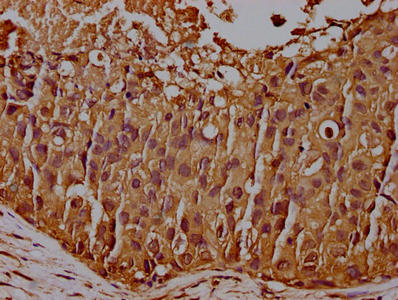
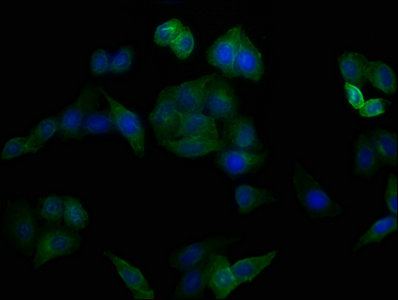
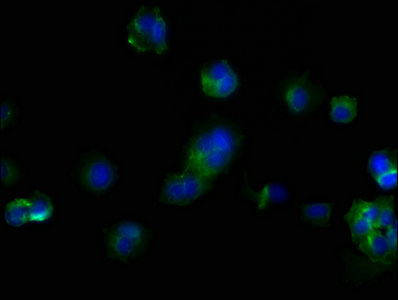
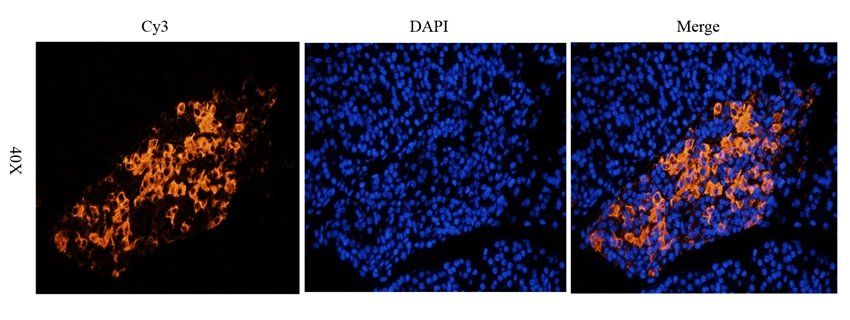
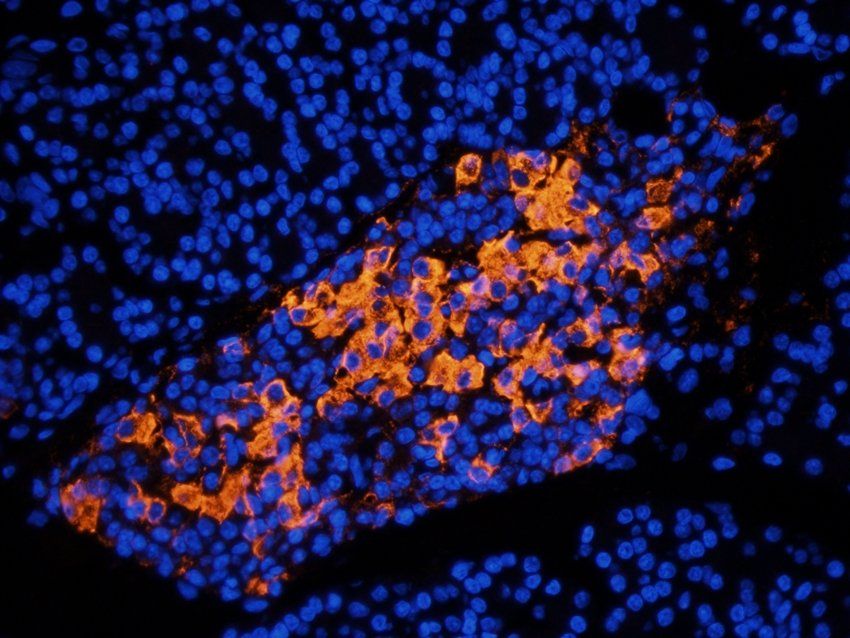
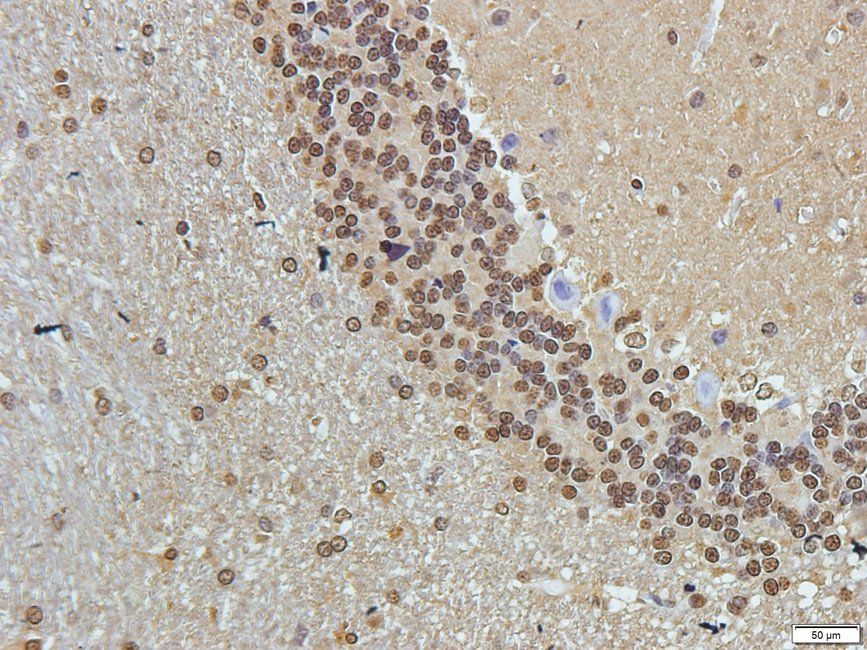
Images & Validation

Key Properties

CAS Number9050-30-0
MW593.47(monomer)
Purity>98% (HPLC)
FormulaC12H19NO20S3 (monomer)
TargetEndogenous Metabolite
SolubilityH2O : 100 mg/mL (Need ultrasonic)

Bioactivity

In Vivo
Digestion of heparan sulfate impairs context discrimination in a fear conditioning paradigm and oscillatory network activity in the low theta band after fear conditioning. Thus, heparan sulfate maintains neuronal excitability and, as a consequence, support synaptic plasticity and learning. FGF-2/FGFR system is involved in the regulation of astrocytic reactivity and/or proliferation in the brain and its action is potentiated by heparan sulfate.
In Vitro
Heparan sulfate is a linear polysaccharide and belongs to the family of glycosaminoglycans. Heparan sulfate is composed of glucuronic acid (GlcA) and iduronic acid (IdoA) residues as well as N-acetyl glucosamines (GlcNAc) with various sulfation modifications, and is typically 50-200 disaccharides in length. Heparan sulfate interacts with numerous proteins, including growth factors, morphogens, and adhesion molecules, and thereby regulates important developmental processes in invertebrates and vertebrates. Heparan sulfate chains regulate developmental signaling by acting as co-factors through a variety of mechanisms that include but are not limited to maintenance of morphogen gradients and co-receptor functions. Heparan sulfate proteoglycans can act as receptors for proteases and protease inhibitors regulating their spatial distribution and activity. Membrane Heparan sulfate proteoglycans act as coreceptors for various tyrosine kinase-type growth factor receptors, lowering their activation threshold or changing the duration of signaling reactions. Heparan sulfate influences the binding affinity of intestinal epithelium cells to Wnt, thereby promoting activation of canonical Wnt signaling and facilitating regeneration of small intestinal crypts after epithelial injury.

Storage & Handling

StorageStorage temperature: -20°C. Stability: ≥ 2 years
Expiration Date12 months from date of receipt.
DisclaimerFor research use only
  • CD44 Rabbit Polyclonal Antibody [orb259645]

    ELISA,  IHC-P,  WB

    Human, Mouse, Porcine, Rat

    Rabbit

    Polyclonal

    Unconjugated

    100 μg
  • Human CD44 Mouse Monoclonal Antibody [orb1183948]

    FC,  ICC,  IF,  IHC-Fr,  IHC-P

    Human

    Mouse

    Monoclonal

    Unconjugated

    100 μl, 50 μl
  • CD44 Antibody [orb688862]

    ELISA,  FC,  IF,  IHC,  WB

    Human

    Mouse

    Monoclonal

    Unconjugated

    100 μl, 50 μl
  • Syndecan 2 Rabbit Polyclonal Antibody [orb13481]

    ICC,  IF,  IHC-P,  WB

    Bovine, Canine, Equine, Gallus, Porcine

    Guinea pig, Human, Mouse, Rat

    Rabbit

    Polyclonal

    Unconjugated

    100 μg
  • CD44 Antibody [orb1939370]

    FC,  IF,  IHC-P,  WB

    Human

    Mouse

    Monoclonal

    Unconjugated

    50 μl, 100 μl

Protocol Information