


The RayBiotech Total Cholesterol Colorimetric Assay Kit is a straightforward, reliable, and highly sensitive tool for measuring the concentration of total cholesterol, which encompasses both cholesteryl esters and free cholesterol, in plasma, serum, cell lysates and other biological liquid samples.
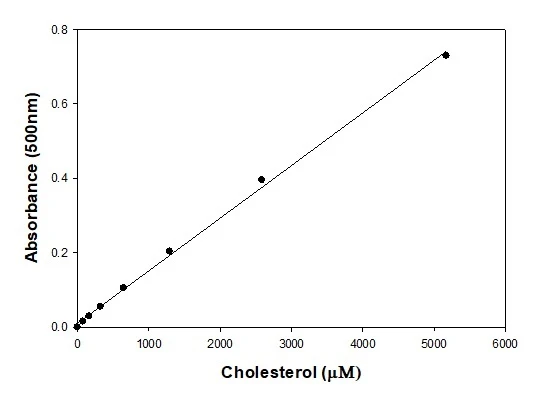
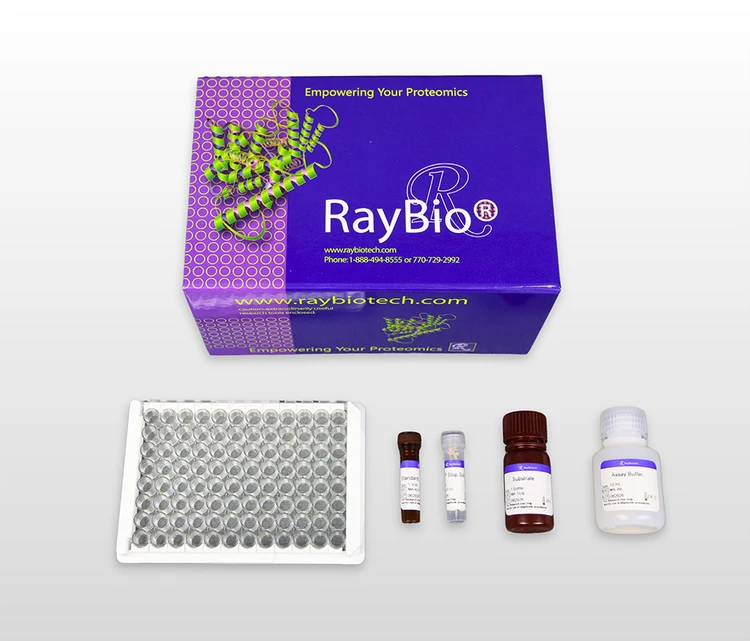
Total Cholesterol Assay Kit (Colorimetric)
Total Cholesterol Assay Kit (Colorimetric)
Contact Us for Bulk Request
Product Description
Specifications
| Size | 1 Plate Kit, 2 Plate Kit, 5 Plate Kit |
| Compatible Sample Types | Cell Culture Supernatants, Plasma, Serum, Tissue Lysates, Cell Lysates |
| Quantitative/Semi-Quantitative | Quantitative |
| Solid Support | 96-well Microplate |
| Method Of Detection | Colorimetric |
| Research Area | Cardiovascular Disease, Energy Metabolism, Obesity & Metabolic Disease, Glycolysis & Lipid Metabolism |
| Shipping Type | Blue ice |
| Storage | 2-8°C |
Related Products
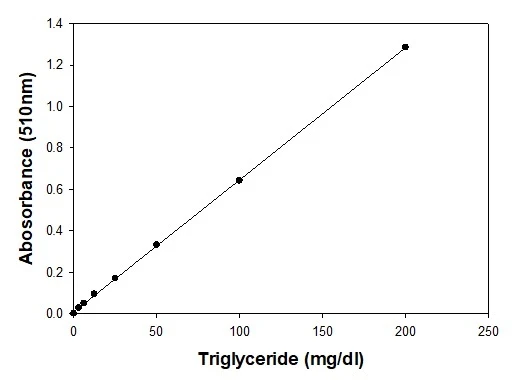
Triglyceride Assay Kit (Colorimetric)
As low as $299.00
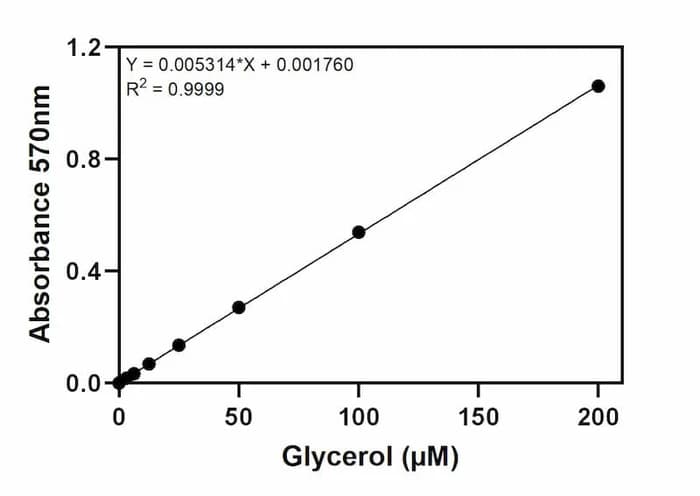
Free Glycerol Assay Kit (Colorimetric)
As low as $339.00
Non-Esterified Fatty Acids (NEFA/FFA) Detection Assay Kit
As low as $649.00
Introduction
Cholesterol plays a crucial role in various physiological processes, including the composition of cell membranes, hormone production, and cell signaling. As a vital component of animal cell structure, cholesterol is essential for maintaining membrane permeability and fluidity, as well as contributing significantly to cell signaling pathways. Monitoring cholesterol levels is critical for diagnosing and classifying hyperlipoproteinaemias, as it can provide valuable insights into liver and biliary function, intestinal absorption, susceptibility to coronary artery disease, thyroid and adrenal function.
The RayBiotech Total Cholesterol Colorimetric Assay Kit offers a straightforward, reliable, and highly sensitive method for measuring the concentration of total cholesterol, which encompasses both cholesteryl esters and free cholesterol, in plasma, serum, cell lysates and other biological liquid samples. This assay relies on an enzymatic reaction system that couples several essential steps. First, cholesterol esters are enzymatically hydrolyzed by cholesterol esterase, resulting in the conversion of cholesteryl esters into cholesterol and free fatty acids. Subsequently, the cholesterol, including the original content, is oxidized by cholesterol oxidase to produce cholest-4-en-3-one and hydrogen peroxide (H2O2). Finally, a Colorimetric Probe reacts with the generated hydrogen peroxide, forming a pink-colored product. The optical density measured at 500nm is directly proportional to the concentration of cholesterol within the sample.
Kit Components
| Component | Size / Description |
|---|---|
| Microplates | A 96-well (12 strips x 8 wells) plate |
| Sample Buffer | 10 ml |
| Cholesterol Standard | 1 vial (100 µl of 5172 µM) |
| Enzyme Mix Solution | 20 ml |
Additional Materials Required
- Microplate reader capable of measuring absorbance at 500 nm
- Precision pipettes to deliver 2 µl to 1 ml volumes
- Distilled or deionized water
- Tubes to prepare sample dilutions
- Incubator at 37°C.
Assay Procedure Summary
Each cholesterol standard and sample should be assayed in duplicate or triplicate. A standard curve should be generated each time the assay is performed.
- Set incubator at 37°C, and pre-heat Enzyme Mix Solution right before the assay./li>
- Add 10 µL of the diluted cholesterol standards or samples to the 96-well microtiter plate.
- Add 200 µL of Enzyme Mix Solution (pre-heated at 37°C) to each well.
- Cover with the plate cover. Carefully shake the plate for a few seconds to mix.
- Incubate the plate for 5 minutes at 37°C.
- Immediately measure the absorbance at 500nm using a plate reader.
documents
citations
Oxidative stress promotes lipid-laden macrophage formation via CYP1B1
- Species:
- Human
- Sample Type:
- Cell Lysate (macrophage cell lysates); Tissue Lysate / Homogenate
- Year:
- 2025
- Journal Name:
- Redox Biology
- PubMed ID:
- 39721495
Reduced Synaptophysin-like 2 (MG29/SYPL2) Levels Mimic Age-Related Alterations in Skeletal Muscle Calcium Homeostasis and Lipid Signaling
- Year:
- 2026
- Journal Name:
- Biomolecules
- PubMed ID:
- 42509782
Behavioral and biochemical evaluation of the neuroprotective role of naringin in streptozotocin‑induced diabetic peripheral neuropathy in rats
- Species:
- Rat
- Sample Type:
- Serum (STZ-diabetic rats, naringin)
- Year:
- 2026
- Journal Name:
- Exploration of Endocrine and Metabolic Diseases
Hnf1aos1 as a Metabolic Coordinator of Hepatic Lipid Homeostasis and Feedback Control
- Species:
- Mouse
- Sample Type:
- Tissue Lysate / Homogenate (liver tissue homogenates)
- Year:
- 2026
- Journal Name:
- Non-coding RNA
- PubMed ID:
- 42200947
Nuclear export of R-loop by the DDX1 and XPO1 complex promotes senescence-associated secretory phenotype and inflammaging
- Year:
- 2026
- Journal Name:
- Nat Aging
- PubMed ID:
- 42303864
ZBiotics ameliorates T2DM-induced histopathological damage in liver, kidney and adipose tissues by modulating the NOD-like receptor signaling in Wistar rats
- Species:
- Rat
- Sample Type:
- Serum (T2DM wistar rats)
- Year:
- 2025
- Journal Name:
- Diabetology & Metabolic Syndrome
- PubMed ID:
- 39905472
Integrative metabolomics and hormonal profiling reveal biomarkers of milk yield efficiency in Sapera dairy goats under tropical conditions
- Species:
- Goat
- Sample Type:
- Plasma (sapera dairy goats)
- Year:
- 2025
- Journal Name:
- Veterinary world
- PubMed ID:
- 41472769
Comprehensive machine learning models for predicting therapeutic targets in type 2 diabetes utilizing molecular and biochemical features in rats
- Species:
- Rat
- Sample Type:
- Serum (type 2 diabetes model)
- Year:
- 2024
- Journal Name:
- Frontiers in Endocrinology
- PubMed ID:
- 38854687
Cholesterol Within Phosphatidylcholine Liposomes Attenuates the Expression of Cytokines
- Species:
- Mouse
- Sample Type:
- Cell Lysate (RAW264.7 macrophages, liposome-treated); Tissue Lysate / Homogenate
- Year:
- 2025
- Journal Name:
- FASEB Journal
- PubMed ID:
- 40630023