

Mouse follicle-stimulating hormone,FSH ELISA Kit

Referência CSB-E06871m-96T
Tamanho : 96T
Marca : Cusabio
| Size | 96T,5×96T,10×96T |
Product Details
Intra-assay Precision (Precision within an assay): CV%<15% | |||||
Three samples of known concentration were tested twenty times on one plate to assess. | |||||
Inter-assay Precision (Precision between assays): CV%<15% | |||||
Three samples of known concentration were tested in twenty assays to assess. | |||||
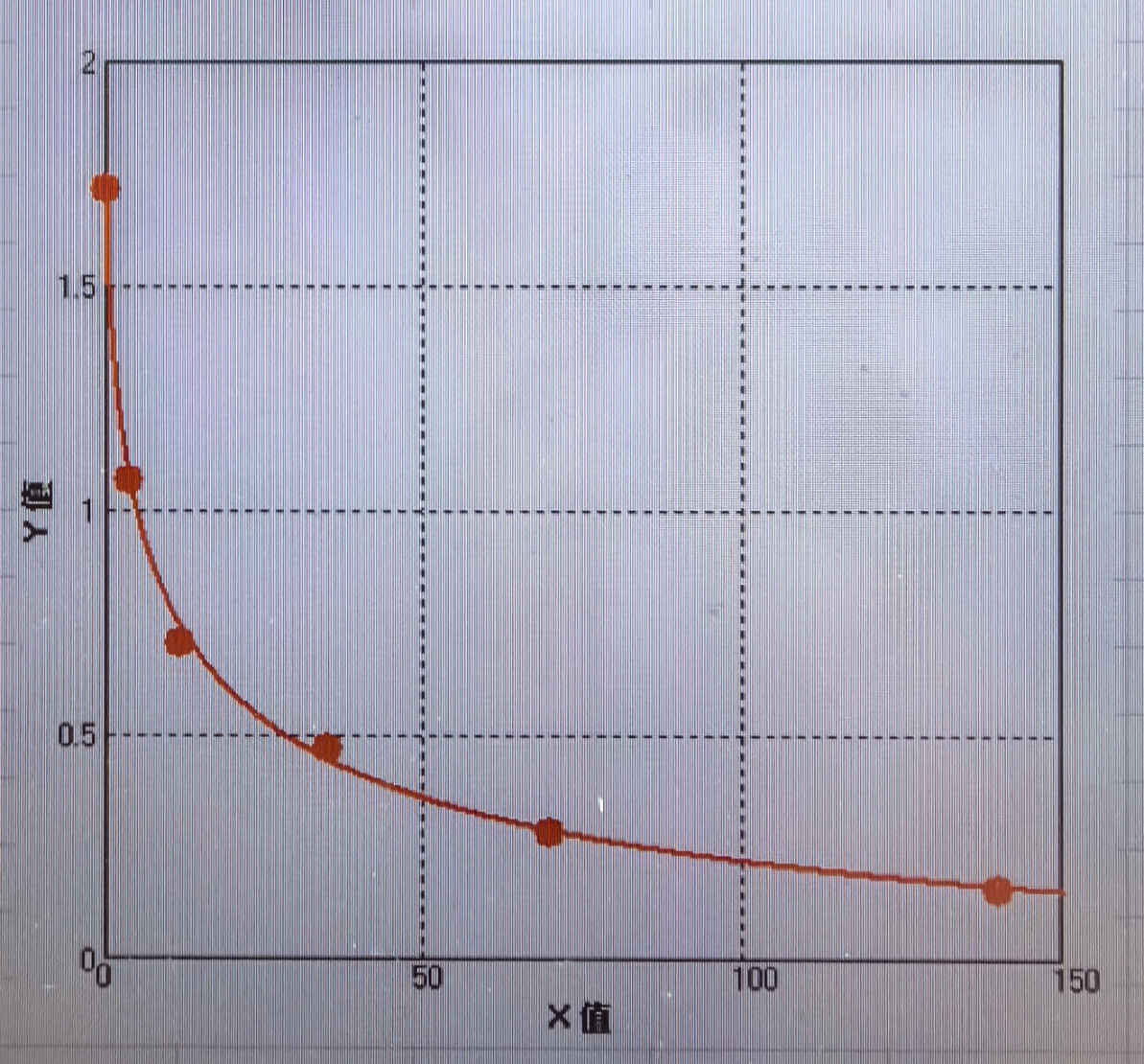
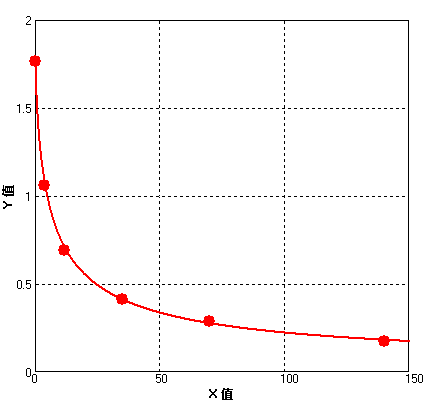
These standard curves are provided for demonstration only. A standard curve should be generated for each set of samples assayed. | ||||||
| ||||||
mIU/ml | OD1 | OD2 | Average | |||
0 | 1.585 | 1.634 | 1.609 | |||
4 | 1.159 | 1.167 | 1.163 | |||
12 | 0.816 | 0.868 | 0.842 | |||
35 | 0.602 | 0.599 | 0.601 | |||
70 | 0.424 | 0.401 | 0.413 | |||
140 | 0.261 | 0.253 | 0.257 | |||

and FAQs
This Mouse FSH ELISA Kit was designed for the quantitative measurement of Mouse FSH protein in serum, plasma. It is a Competitive ELISA kit, its detection range is 4 mIU/ml-140 mIU/ml and the sensitivity is 2.5 mIU/ml.
Citations
- Z Liu, M He, T Wang, Z Zuo, Z Zhang, Z Wang,Andrologia,2026
- L Zhao, Y Chen, G Pang, Y Li, R Hu, Y Xiao,Ecotoxicology and environmental safety,2026
- Y Dai, Y Guo, D Chen, P Li, L Xue, Y Feng,Journal of Translational Medicine,2026
- Polystyrene Nanoplastics induced placental toxicology by activating Keap1-mediated ferroptosis via METTL3-dependent m6A methylation C Yujiao, L Yifan, Z Meng, L Shanshan, Y Yousheng,Cell biology and toxicology,2026
- J Zhu, P Wu, Y Ma, Z Peng, H Fa, L Qin, M Geng,Nature Communications,2026
- T Wu, Y Feng, Q Zhu, T Jiang, Y Gao, K Nie,Advanced Science,2026
- Z Xie, J Liao, J Xiong, Z Zhao, K Ye,Bone Research,2026
- S Wei, D Chen, J Wang, C Wu, W Tang, L Xue,Journal of Advanced Research,2026
- H Khaleel, SM Thaker, HA Ali,Journal of Applied Science, Engineering, Technology, and Education,2025
- Y Wu, Y Chen, S Wang, T Wu, J Zhang,Reproductive Toxicology,2026
Customer Reviews and Q&A
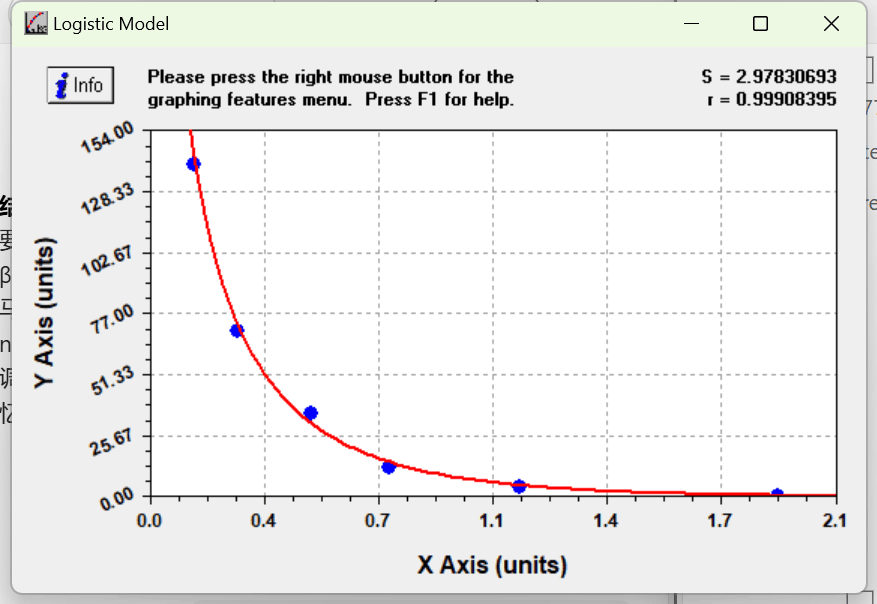
Sample type: Serum
Sample species: Mouse
Sample dilution: 1:5
Review: The sample was diluted five times, and the OD value was measured to be about 1.00
By Anonymous
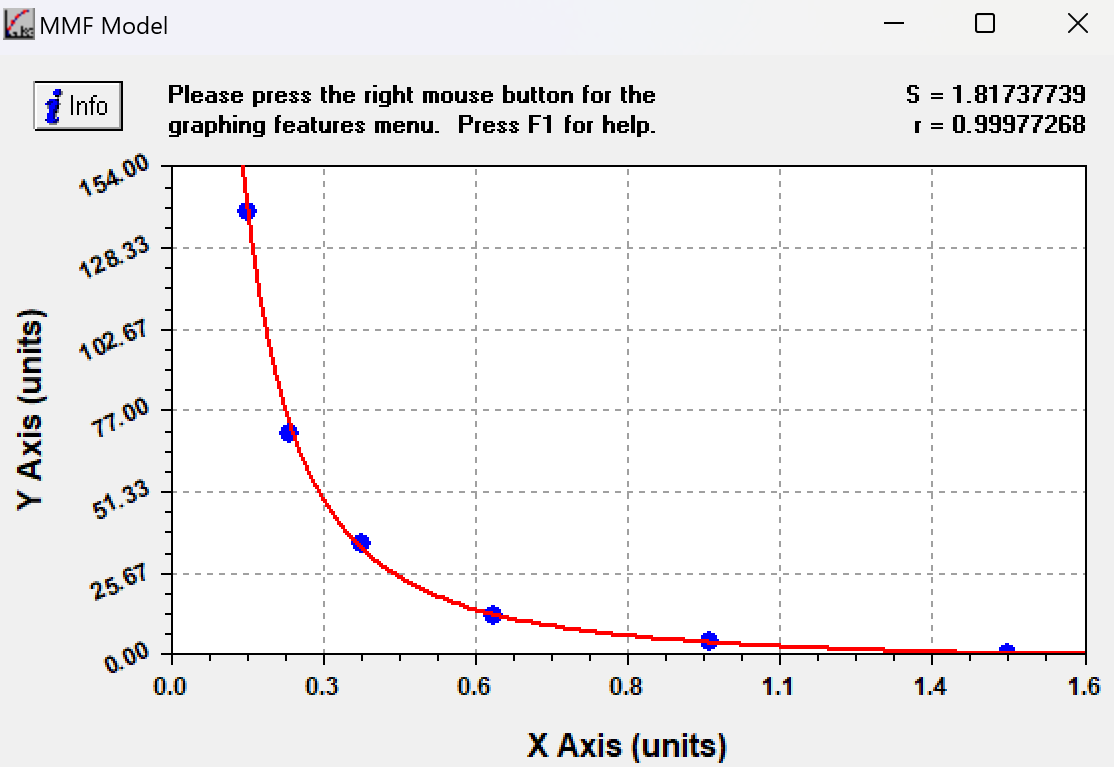
Sample type: Serum
Sample species: Mouse
Sample dilution: No dilution
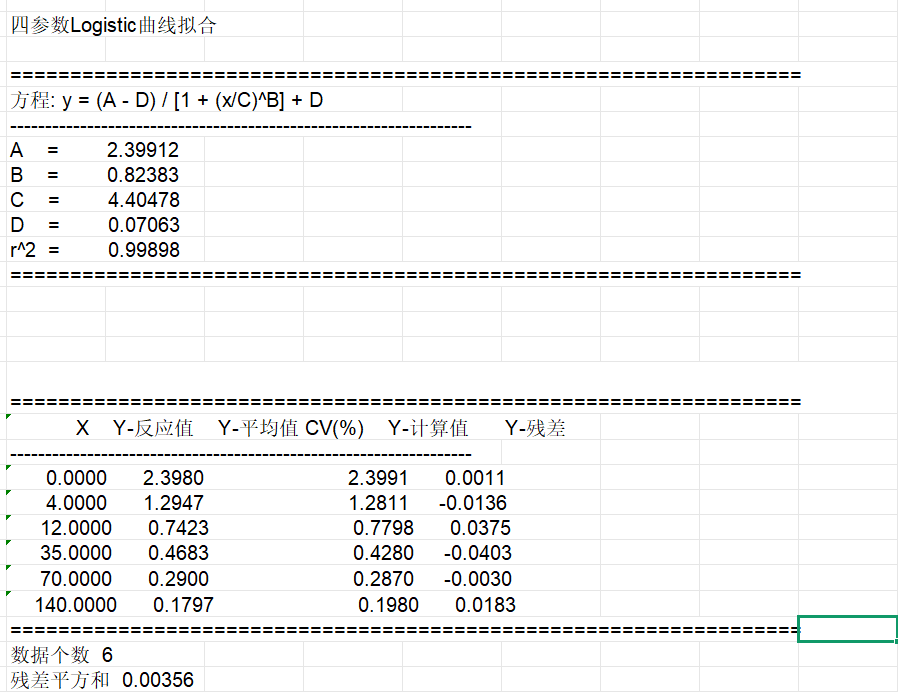
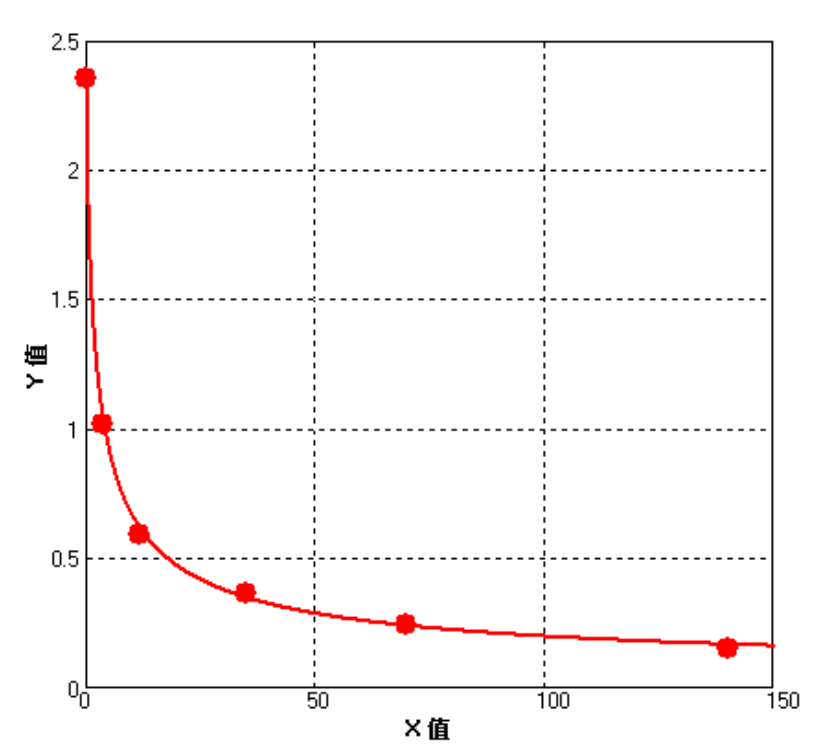
Review: I used CSB-E06871m to detect the normal serum level of sex hormone FSH. The OD value of the standard curve was 1.513-0.144, the OD value of the sample was 0.66-1.08, and the R value of the standard curve was 0.99977.
By Anonymous
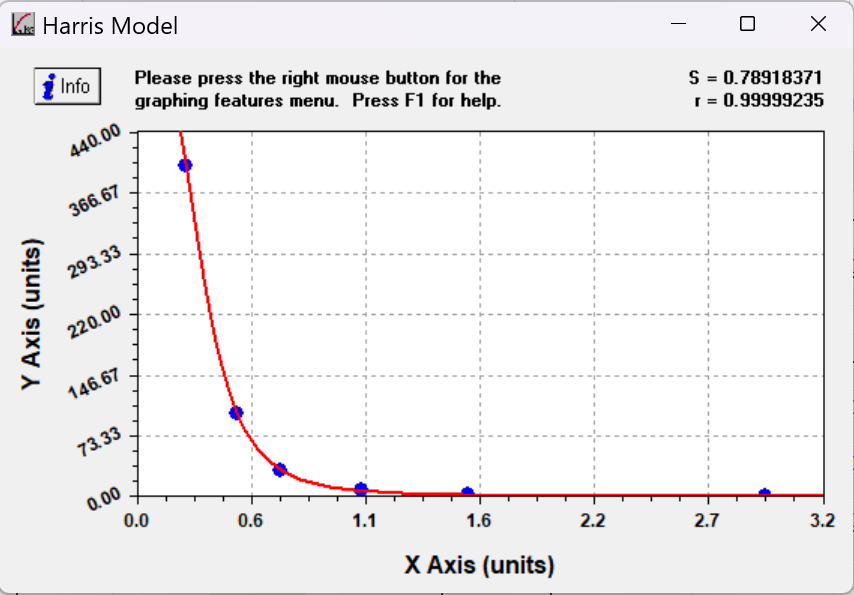
Sample type: Serum
Sample species: Mouse
Sample dilution: No dilution
Review: The S value of the standard curve was 0.1796, the r value was 0.9999, and the logistic model was used
By Anonymous
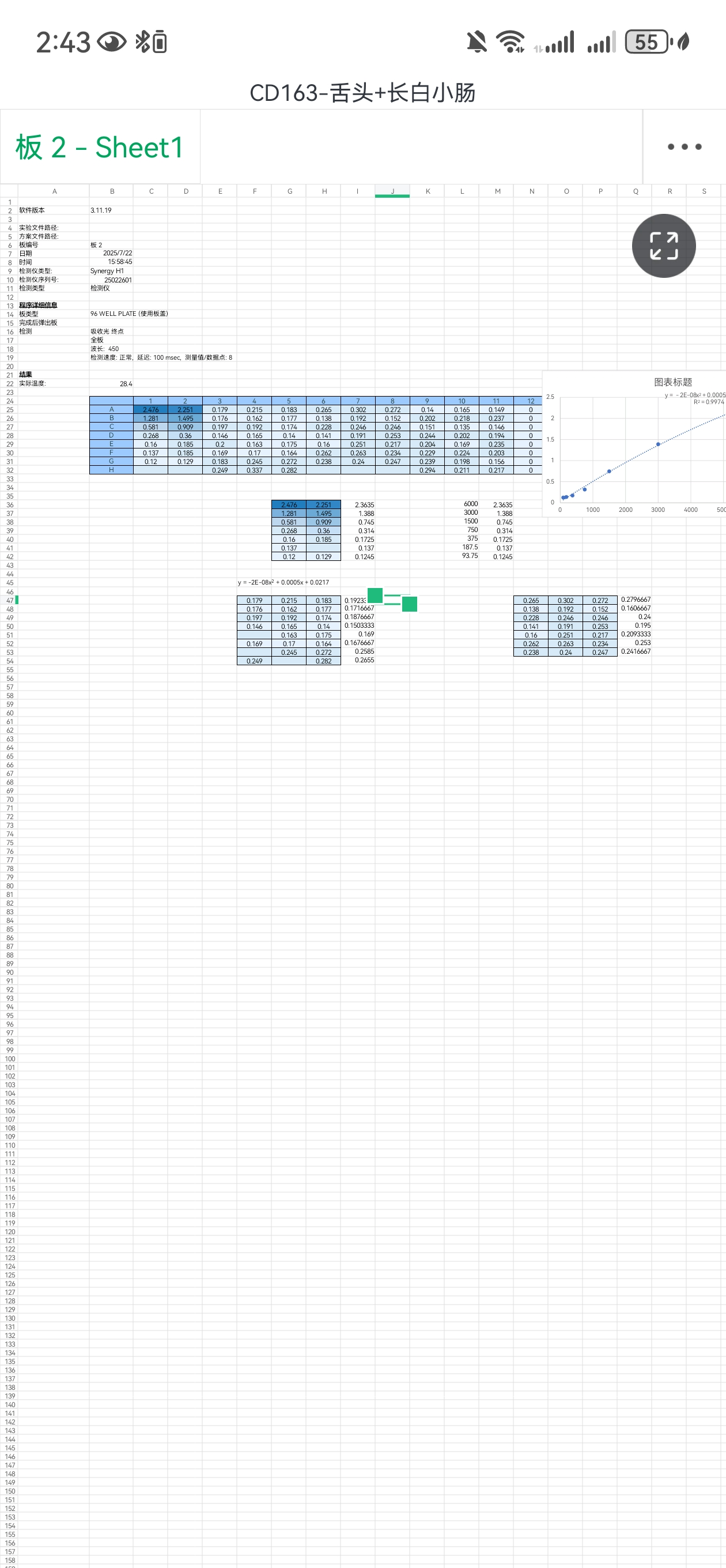
Target Background
(From Uniprot)
- FSH induces autophagy via upregulation of HIF-1A in mouse granulosa cells.
- the in vivo bioactivities of FSH glycoforms in Fshb null mice using a pharmacological rescue approach, was investigated.
- These mice showed an increase in FSH levels, but they remained in a prepubertal state. Together with previous findings, our data indicate that leptin-selective action in gonadotropes serves a role in adult reproductive physiology but is not sufficient to allow pubertal maturation in mice.
- GnRH stimulated the secretion of the VGF-derived peptide NERP1. NERP1 caused a concentration-dependent decrease in Fshb gene induction.
- Data show that estradiol or bisphenol A decreased expression of luteinizing hormone beta (Lhb), follicle stimulating hormone beta (Fshb), and intracellular adhesion molecule-5 (Icam5) in females but only decreased expression of Icam5 in males.
- GnRH stimulation of Fshb expression is dependent on miR-132/212 and involves a SIRT1-FOXO1 pathway.
- results suggest that FOXO1 binding to the proximal Fshb promoter as well as FOXO1 interaction with SMAD3/4 proteins may result in decreased activin induction of Fshb in gonadotropes
- SCGB3A2 regulates FSH/LH production in the anterior pituitary lobe.
- Data suggest that the BMP2-like Activin A/BMP2 chimera AB215 regulates follicle stimulating hormone beta (FSHbeta) induction in LbetaT2 gonadotroph cells due to its ability to block activin A signaling.
- Two regions of the proximal Fshb promoter (-50/-41 and -30/-21) appear to be necessary for FOXO1 suppression of GnRH-induced Fshb transcription.
- Data suggest BMP2 (bone morphogenetic protein 2) stimulates SMAD2/3 signaling in gonadotrophs via Bmpr1a (bone morphogenetic protein receptor type 1A); such signaling via SMAD3 appears to be necessary for up-regulation of Fshb transcription.
- The activin A signals via SMAD proteins, but not TAK1 or p38, to regulate murine and ovine Fshb transcription in gonadotrope-like cells.
- The insulin/IGF signaling pathway is required for FSH-mediated Sertoli cell proliferation.
- FOXL2 is required for FSH synthesis in vivo.
- Data indicate that free fatty acids up-regulated luteinizing hormone beta (Lhb) mRNA expression acutely but suppressed follicle stimulating hormone beta (Fshb) mRNA expression.
- Blocking antibody to the beta-subunit of FSH prevents bone loss by inhibiting bone resorption and stimulating bone synthesis.
- Protein-protein interactions among FOXL2, SMAD3, and progesterone receptor (PR) recruited to the Fshb promoter play a key role in facilitating Fshb transcription before the secondary FSH surge in rodents.
- the pituitary gonadotrope contains an ultra-short, activin-responsive feedback loop utilizing two different isoforms of Smad3, one which acts as an agonist and another that acts as an intracrine antagonist to regulate FSH-beta production.
- These data indicate that, in addition to its role in the ovary, FoxL2 function in the pituitary is required for normal expression of FSH.
- SMADs and FOXL2 synergistically regulate murine follicle stimulating hormone beta transcription via a conserved proximal promoter element
- The LIM-homeodomain transcription factor Isl-1 functions to increase FSHbeta/LHbeta gene transcription, and mediates the effects of leptin on gonadotropin synthesis.
- It was shown that SMAD4 has a necessary role in activin A induction of the murine FSHb gene in immortalized gonadotropes.
- FoxL2 plays a key role in activin induction of the FSHbeta gene, by binding to sites conserved across multiple species.
- FSH promotes primordial follicle formation in mice by stimulating local activin signaling pathways and the expression of oocyte-specific transcription factors.
- suggest that inducible cAMP early repressor production antagonizes the stimulatory action of cyclic AMP response element binding protein to attenuate FSH beta transcription at high gonadotropin-releasing hormone pulse frequencies.
- GnRH regulation of the FSHbeta gene occurs through induction of multiple Fos and Jun isoforms.
- Data suggest that activin receptor II signaling is critical only for follicle-stimulating hormone homeostasis and not for gonadotrophin-releasing hormone (GnRH)biosynthesis or induction of pituitary GnRH receptor expression.
- activins use both SMAD2- and SMAD3-dependent mechanisms to stimulate FSHbeta transcription in mouse gonadotrope cells.
- androgens, glucocorticoids, and progestins act via their receptors to directly activate FSHbeta gene expression in the pituitary gonadotrope
- Hypogonadal bone loss is caused, at least in part, by enhanced FSH secretion, which in turn increases TNFalpha production to expand the number of bone marrow osteoclast precursors.
- Synergistic interaction between activin and glucocorticoids within gonadotrope cell. This synergy can occur directly at level of mouse FSHbeta promoter.
- Results show that GnRH overcomes histone deacetylase (HDAC)-mediated repression of the FSH and LH beta-subunit genes in immature gonadotropes.
- Steroid receptors physically interact with Smads and are sufficient for the synergism to occur on the FSHbeta promoter.
- The knockdown of PRPF19 or EIF4A3 decreased splicing of Lhb, or of both beta subunit transcripts, respectively.
- Bone morphogenetic protein 2 signals via BMPR1A to regulate murine follicle-stimulating hormone beta subunit transcription.
- study concludes that the rapid effect of GNRH1 on Fshb expression in LbetaT2 cells is mediated by PGR phosphorylation and loading at the PGR response element within the Fshb promoter together with NCOA3
KEGG:
STRING:
UniGene: