


Mouse anti-Human/Mouse/Rat/Rabbit/Cat/Dog/Zebrafish TNF-alpha Antibody
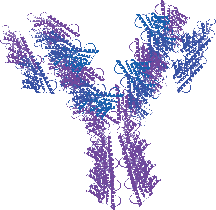
Anti-TNF-alpha Antibody
Anti-TNF-alpha Antibody
Contact Us for Bulk Request
Product Description
Specifications
| Size | 20 µg, 100 µg |
| Species | Human |
| Specificity | Other species not known |
| Host Species | Mouse |
| Accession Number | P01375 |
| Gene Id | 7124 |
| Gene Symbols | TNF, TNFA, TNFSF2 |
| Protein Name / Synonyms | Tumor necrosis factor (Cachectin) (TNF-alpha) (Tumor necrosis factor ligand superfamily member 2) (TNF-a) [Cleaved into: Tumor necrosis factor, membrane form (N-terminal fragment) (NTF), Intracellular domain 1 (ICD1), Intracellular domain 2 (ICD2), C-domain 1, C-domain 2, Tumor necrosis factor, soluble form] |
| Immunogen | Amino acids 115-130 of the human protein was used as the immunogen for this anti-TNF alpha antibody. |
| Isotype | Kappa, IgG1 |
| Purity | Protein G affinity chromatography |
| Concentration (lot specific) | 0.2 mg/ml in 1X PBS with 0.1 mg/ml BSA (US sourced) and 0.05% sodium azide |
| Recommended Applications | Flow Cytometry: 0.5-1ug/million cells in 0.1ml Immunofluorescence: 0.5-1ug/ml Immunohistochemistry (FFPE): 2-4ug/ml for 30 min at RT (1) Prediluted format: incubate for 30 min at RT (2) |
| Domain / Region / Terminus | Cytoplasmic and extracellular (secreted) |
| Research Area | Cardiovascular Disease, Cancer, Inflammation |
| Shipping Type | Blue ice |
| Storage | ≤-20°C |
Description
Tumor Necrosis Factor Alpha (TNF alpha) is a protein secreted by lipopolysaccharide-stimulated macrophages, and causes tumor necrosis when injected into tumor bearing mice. TNF alpha is believed to mediate pathogenic shock and tissue injury associated with endotoxemia. TNF alpha exists as a multimer of two, three, or five non-covalently linked units, but shows a single 17kDa band following SDS PAGE under non-reducing conditions. TNF alpha is closely related to the 25kDa protein Tumor Necrosis Factor beta (lymphotoxin), sharing the same receptors and cellular actions. TNF alpha causes cytolysis of certain transformed cells, being synergistic with interferon gamma in its cytotoxicity. Although it has little effect on many cultured normal human cells, TNF alpha appears to be directly toxic to vascular endothelial cells. Other actions of TNF alpha include stimulating growth of human fibroblasts and other cell lines, activating polymorphonuclear neutrophils and osteoclasts, and induction of interleukin 1, prostaglandin E2 and collagenase production. TNF alpha is currently being evaluated in treatment of certain cancers and AIDS Related Complex.
Storage
Store the anti-TNF-alpha antibody at 2-8°C (with azide) or aliquot and store at -20°C or colder (without azide).
Expiration:
12 months from the date of shipment when stored properly.