

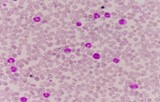
Introduction aux cellules CAR-T
CAR-T cells are T lymphocytes modified to express synthetic receptors (chimeric antigen receptors) that enable them to target specific antigens on tumor cells.
Chimeric Antigen Receptor T (CAR-T) cell therapy is revolutionizing the landscape of cell and gene therapy, offering new hope for patients with refractory or relapsed cancers. This innovative approach harnesses the power of the immune system by genetically engineering a patient’s own T cells to recognize and destroy malignant cells with high specificity and potency.
Manufacturing Process
- T cells are collected from the patient’s blood.
- These cells are genetically engineered in the laboratory to express CARs.
- The modified cells are expanded and reinfused into the patient, where they seek out and eliminate cancer cells.
Each CAR-T product is tailored to the individual patient, ensuring targeted and effective treatment.
Key Features and Benefits
- Durable Remission: CAR-T therapies can induce long-term remission, with some patients remaining cancer-free for over a decade.
- Precision Targeting: Engineered receptors allow CAR-T cells to selectively attack tumor cells while sparing healthy tissues.
- Living Drugs: CAR-T cells can proliferate in vivo, providing ongoing surveillance against cancer recurrence.
- Expanding Indications: New generations of CAR-T cells are being developed to target multiple antigens, overcome resistance, and enhance efficacy in solid tumors.
