Three-dimensional (3D) cell culture equipment enables the generation of physiologically relevant in vitro models that more closely reproduce native tissue architecture, cell–cell communication, cell–extracellular matrix (ECM) interactions, and diffusion gradients than conventional two-dimensional cultures. 3D cell culture systems, hydrogel inserts, CO2 incubators, and specialized plastic culture systems support the development of reproducible spheroids, organoids, and tissue-engineered constructs for cancer research, stem cell biology, drug discovery, toxicology, regenerative medicine, and precision medicine. Optimized culture hardware improves experimental consistency, scalability, and compatibility with advanced imaging and molecular analyses.
Key Features
-
3D Cell Culture Systems: Controlled nutrient, oxygen, and mechanical microenvironments for reproducible long-term cultures.
-
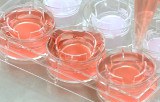
Hydrogel Inserts: Biomimetic ECM support promoting cell adhesion, migration, differentiation, and tissue organization.
-
CO2 Incubators: Stable temperature, humidity, CO2, and optional O2 regulation for physiologically relevant culture conditions.
-
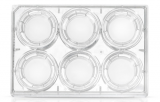
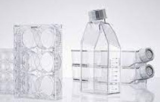
Plastic Systems: Low-attachment, scaffold-compatible, and spheroid-compatible cultureware designed for standardized 3D cell growth.
-
Advanced Workflow Compatibility: Compatible with high-content imaging, omics analyses, and high-throughput screening workflows.