

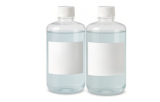
Os reagentes de extração de proteínas são ferramentas essenciais para a purificação de proteínas a partir de células, tecidos, microrganismos e amostras biológicas antes das análises posteriores por Western blot, ELISA, imunoprecipitação, ensaios enzimáticos, espectrometria de massa ou proteómica quantitativa. Uma extração eficiente de proteínas requer a ruptura das estruturas celulares enquanto preserva a integridade, solubilidade e modificações pós-traducionais das proteínas. Estudos recentes de proteómica revisados por pares demonstraram que a eficiência de extração, a cobertura proteica e a reprodutibilidade podem variar significativamente de acordo com a composição do tampão de lise e o fluxo de trabalho de preparação da amostra.
Aplicações e otimização
O reagente de extração ideal depende do tipo de amostra, da localização da proteína-alvo, do método de análise posterior e da compatibilidade necessária com a quantificação de proteínas ou eletroforese. Por exemplo, tampões de lise suaves podem ser preferidos para complexos proteicos nativos ou ensaios de atividade enzimática, enquanto detergentes mais fortes ou tampões caotrópicos podem melhorar a recuperação de proteínas de membrana, nucleares ou pouco solúveis. No entanto, concentrações excessivas de detergentes, sais ou agentes desnaturantes podem interferir nos processos Bradford, BCA, SDS-PAGE ou espectrometria de massa. A seleção cuidadosa dos reagentes de extração de proteínas é, portanto, essencial para obter lisados de alta qualidade, rendimentos proteicos reprodutíveis e resultados confiáveis em biologia de proteínas, descoberta de biomarcadores, sinalização celular e investigação proteómica.
Exemplos de reagentes de extração de proteínas
- Tampão de lise celular total
- Tampão de lise do tipo RIPA
- Tampão de extração de proteínas nucleares
- Tampão de extração de proteínas de membrana
- Tampão de extração à base de detergentes contendo SDS, detergentes não iónicos ou zwitteriónicos
- Tampão de extração caotrópico contendo ureia ou cloridrato de guanidina
- Misturas de inibidores de proteases e inibidores de fosfatases