

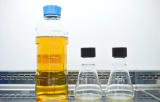
Specialized cell culture media are critical components in the development and manufacturing of cell and gene therapies. These media are meticulously formulated to support the growth, expansion, activation, and functional maintenance of therapeutic cells such as T cells, natural killer (NK) cells, stem cells, and other primary cells used in CGT.
Why Specialized Media Matter in CGT
Therapeutic cells used in CGT require precise nutrient compositions, growth factors, and environmental conditions to maintain their viability, phenotype, and therapeutic potency. Unlike generic media, specialized media are optimized for specific cell types and applications, enabling:
- Enhanced cell proliferation and expansion
- Improved transduction efficiency for gene modification
- Preservation of critical cell phenotypes and functions
- Reduced variability and improved reproducibility
- Compliance with regulatory requirements through serum-free, xeno-free, and GMP-grade formulations
Examples of Specialized Media and Their Benefits
Specialized media are tailored to meet the needs of specific cell types in CGT applications:
- T Cell Media: Media are serum-free and optimized to boost transduction efficiency while supporting T cell proliferation and phenotype preservation, which is essential for CAR-T cell therapy development.
- NK Cell Media: is formulated for superior expansion of human natural killer cells, supporting immunotherapy applications.
- Stem Cell Media: Platforms such as FUJIFILM’s PRIME-XV series offer xeno-free, serum-free media tailored for mesenchymal stem cells (MSCs), induced pluripotent stem cells (iPSCs), and other primary cells, ensuring high proliferation rates and maintenance of differentiation potential.
- Serum-Free and Xeno-Free Formulations: These reduce risks associated with animal-derived components, such as immunogenicity and batch variability, facilitating smoother regulatory approval and clinical translation.
Customization and Media Optimization
Many providers offer customizable media solutions to meet the unique requirements of different cell types and manufacturing processes. These Tools allow researchers to design or tailor media formulations, adjusting components such as amino acids, growth factors, and supplements to optimize cell performance and meet critical quality attributes.
Key Components Influencing Cell Therapy Media Performance
The performance of cell therapy media is driven by carefully selected components:
- Amino Acids: Specific amino acids (e.g., leucine, glutamine, arginine) are critical for T cell activation, proliferation, and differentiation.
- Growth Factors: Human cell-derived growth factors enhance cell viability and function while supporting regulatory compliance.
- Serum-Free and Chemically Defined Ingredients: Minimize variability and immunogenic risk, improving safety and reproducibility.
