

BSA Conjugated Adrenocorticotropic Hormone (ACTH)

Cat# MBS2086303-0,01mg
Size : 0.01mg
Brand : MyBiosource

ACTH Small Molecule – Adrenocorticotropic Hormone
For Research Use Only. Not for use in diagnostic procedures. Special Promotion Catalog #: MBS2086303SPECIAL PROMOTION: Get FREE Starbucks gift card (Maximum 5 gift cards/product). Gift card(s) will be included with shipment
MBS2086303 is a small molecule targeting ACTH. Also known as BSA Conjugated Adrenocorticotropic Hormone (ACTH). Host: Protein Conjugation. More details
Product Overview
Online Datasheet in PDFProduct Name
Adrenocorticotropic Hormone (ACTH), Small Molecule
Full Product Name
BSA Conjugated Adrenocorticotropic Hormone (ACTH)
Product Gene Name
ACTH small molecule
Product Synonym Names
Corticotropin; Adrenocorticotropin
Host
Protein Conjugation
Form/Format
Freeze-dried powder
Purity/Purification
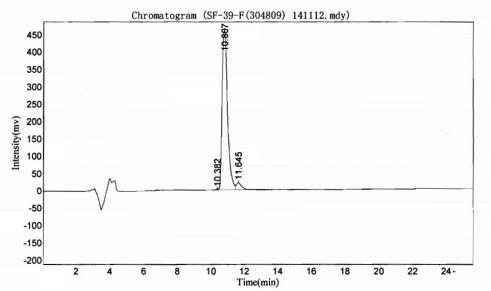
> 90%
Preparation and Storage
Avoid repeated freeze/thaw cycles. Store at 2-8 degree C for one month. Aliquot and store at -80 degree C for 12 months.
The thermal stability is described by the loss rate. The loss rate was determined by accelerated thermal degradation test, that is, incubate the protein at 37 degree C for 48h, and no obvious degradation and precipitation were observed. The loss rate is less than 5% within the expiration date under appropriate storage condition.
The thermal stability is described by the loss rate. The loss rate was determined by accelerated thermal degradation test, that is, incubate the protein at 37 degree C for 48h, and no obvious degradation and precipitation were observed. The loss rate is less than 5% within the expiration date under appropriate storage condition.
Molecular Weight
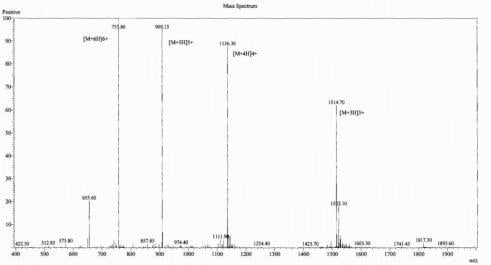
26,707 Da
Supply Chain Verification
Manufactured in a lab with traceable raw materials. Bulk orders can typically be prepared to the customer’s specifications, please inquire.
Buffer Formulation
PBS, pH7.4.
Organism Species
Human
Usage
Reconstitute in PBS (pH7.4) to a concentration of 0.1-1.0 mg/mL. Do not vortex.
Product Categories/Family for ACTH small molecule
Conjugated small molecules
ISO Certification
Manufactured in an ISO 9001:2015 and ISO 13485:2016 Certified Laboratory.
Applications Tested/Suitable for ACTH small molecule
Immunogen, SDS-PAGE, Western Blot (WB)
Other Notes
Small volumes of ACTH small molecule vial(s) may occasionally become entrapped in the seal of the product vial during shipment and storage. If necessary, briefly centrifuge the vial on a tabletop centrifuge to dislodge any liquid in the container`s cap. Certain products may require to ship with dry ice and additional dry ice fee may apply.
Additional Details
NCBI/Uniprot data below describe general gene information for ACTH. It may not necessarily be applicable to this product.
NCBI Official Full Name
adrenocorticotropic hormone, partial
NCBI Official Synonym Full Names
pro-opiomelanocortin-alpha
NCBI Official Symbol
Pomc
NCBI Official Synonym Symbols
BE; Npp; ACTH; Clip; Pomc1; Pomc-1; Beta-LPH; alphaMSH; beta-MSH; Gamma-LPH; alpha-MSH; gamma-MSH
UniProt Protein Name
Pro-opiomelanocortin
UniProt Synonym Protein Names
Corticotropin-lipotropin
Protein Family
Corticotropin
UniProt Gene Name
Pomc
UniProt Synonym Gene Names
Pomc1; POMC; ACTH; CLIP
NCBI Protein Information
pro-opiomelanocortin
NCBI Summary for ACTH
This gene encodes a polypeptide hormone precursor that undergoes extensive, tissue-specific, post-translational processing. Processing yields several biologically active peptides, which are involved in diverse cellular functions, such as energy homeostasis, steroidogenesis, and increased melanin production in melanocytes. In mouse deficiency of this gene is associated with obesity, defects in adrenal development, and altered pigmentation. A pseudogene of this gene is located on chromosome 19. Alternative splicing results in multiple transcript variants. [provided by RefSeq, Jun 2013]
Show more UniProt Comments for ACTH
POMC: ACTH stimulates the adrenal glands to release cortisol. Defects in POMC may be associated with susceptibility to obesity (OBESITY). It is a condition characterized by an increase of body weight beyond the limitation of skeletal and physical requirements, as the result of excessive accumulation of body fat. Defects in POMC are the cause of pro-opiomelanocortinin deficiency (POMCD). Affected individuals present early-onset obesity, adrenal insufficiency and red hair. Belongs to the POMC family.
Protein type: Secreted; Secreted, signal peptide
Chromosomal Location of Human Ortholog: 12 A1.1|12 1.99 cM
Cellular Component: cytoplasm; extracellular region; extracellular space; secretory granule
Molecular Function: G-protein-coupled receptor binding; hormone activity; neuropeptide hormone activity; receptor binding; type 3 melanocortin receptor binding; type 4 melanocortin receptor binding
Biological Process: cell-cell signaling; cellular pigmentation; generation of precursor metabolites and energy; glucose homeostasis; negative regulation of tumor necrosis factor production; neuropeptide signaling pathway; positive regulation of transcription from RNA polymerase II promoter; regulation of appetite; regulation of blood pressure; signal transduction
Show more Protein type: Secreted; Secreted, signal peptide
Chromosomal Location of Human Ortholog: 12 A1.1|12 1.99 cM
Cellular Component: cytoplasm; extracellular region; extracellular space; secretory granule
Molecular Function: G-protein-coupled receptor binding; hormone activity; neuropeptide hormone activity; receptor binding; type 3 melanocortin receptor binding; type 4 melanocortin receptor binding
Biological Process: cell-cell signaling; cellular pigmentation; generation of precursor metabolites and energy; glucose homeostasis; negative regulation of tumor necrosis factor production; neuropeptide signaling pathway; positive regulation of transcription from RNA polymerase II promoter; regulation of appetite; regulation of blood pressure; signal transduction
Research Articles on ACTH
Precautions
All of MyBioSource's Products are for scientific laboratory research purposes and are not for diagnostic, therapeutics, prophylactic or in vivo use. Through your purchase, you expressly represent and warrant to MyBioSource that you will properly test and use any Products purchased from MyBioSource in accordance with industry standards. MyBioSource and its authorized distributors reserve the right to refuse to process any order where we reasonably believe that the intended use will fall outside of our acceptable guidelines.
Disclaimer
While every efforts were made to ensure the accuracy of the information provided in this datasheet, MyBioSource will not be liable for any omissions or errors contained herein. MyBioSource reserves the right to make changes to this datasheet at any time without prior notice.
It is the responsibility of the customer to report product performance issues to MyBioSource within 30 days of receipt of the product. Please visit our Terms & Conditions page for more information.
It is the responsibility of the customer to report product performance issues to MyBioSource within 30 days of receipt of the product. Please visit our Terms & Conditions page for more information.
Product Note
Select online data sheet information is drawn from bioinformatics databases, occasionally resulting in ambiguous or non-relevant product information. It is the responsibility of the customer to review, verify, and evaluate the information to make sure it matches their requirements before purchasing the kit. Our ELISA Kit assays are dynamic research tools and sometimes they may be updated and improved. If the format of this assay is important to you then please request the current manual or contact our technical support team with a presales inquiry before placing an order. We will confirm the current details of the assay. We cannot guarantee the sample manual posted online is the most current manual, it is intended to serve as an example only. Please refer to the instructions For Use provided with the assay kit for precise details.
Product PubMed Publications
Pathways associated with ACTH small molecule
| Products by Pathway | Pathway Diagram |
|---|---|
| Adipocytokine Signaling Pathway antibodies | Adipocytokine Signaling Pathway Diagram |
| Adipocytokine Signaling Pathway antibodies | Adipocytokine Signaling Pathway Diagram |
| Androgen Biosynthesis Pathway antibodies | Androgen Biosynthesis Pathway Diagram |
| Biological Oxidations Pathway antibodies | Biological Oxidations Pathway Diagram |
| Class A/1 (Rhodopsin-like Receptors) Pathway antibodies | Class A/1 (Rhodopsin-like Receptors) Pathway Diagram |
| Cytochrome P450 - Arranged By Substrate Type Pathway antibodies | Cytochrome P450 - Arranged By Substrate Type Pathway Diagram |
| Endogenous Sterols Pathway antibodies | Endogenous Sterols Pathway Diagram |
| G Alpha (i) Signalling Events Pathway antibodies | G Alpha (i) Signalling Events Pathway Diagram |
| G Alpha (s) Signalling Events Pathway antibodies | G Alpha (s) Signalling Events Pathway Diagram |
| G-protein Activation Pathway antibodies | G-protein Activation Pathway Diagram |
Diseases associated with ACTH small molecule
| Disease Name | Pubmed Publications |
|---|---|
| Immune System Diseases Antibodies | >4191 publications with ACTH and Immune System Diseases |
| Cushing Syndrome Antibodies | >2882 publications with ACTH and Cushing Syndrome |
| Mental Disorders Antibodies | >2650 publications with ACTH and Mental Disorders |
| Obesity Antibodies | >1682 publications with ACTH and Obesity |
| Infection Antibodies | >1007 publications with ACTH and Infection |
| Kidney Diseases Antibodies | >996 publications with ACTH and Kidney Diseases |
| Gastrointestinal Diseases Antibodies | >942 publications with ACTH and Gastrointestinal Diseases |
| Diabetes Mellitus Antibodies | >845 publications with ACTH and Diabetes Mellitus |
| Hemorrhage Antibodies | >669 publications with ACTH and Hemorrhage |
| Necrosis Antibodies | >667 publications with ACTH and Necrosis |
Organs/Tissues associated with ACTH small molecule
| Organ/Tissue Name | Pubmed Publications |
|---|---|
| Brain Antibodies | >18343 publications with ACTH and Brain |
| Pituitary Gland Antibodies | >8993 publications with ACTH and Pituitary Gland |
| Skin Antibodies | >1858 publications with ACTH and Skin |
| Testis Antibodies | >553 publications with ACTH and Testis |
| Embryonic Tissue Antibodies | >390 publications with ACTH and Embryonic Tissue |
| Uncharacterized Tissue Antibodies | >2 publications with ACTH and Uncharacterized Tissue |