

Pig Tumor necrosis factor (TNF/TNFA/TNFSF2) ELISA kit

Cat# CSB-E16980p-96T
Size : 96T
Brand : Cusabio
 SDS
SDS| Size | 96T,5×96T,10×96T |
Product Details
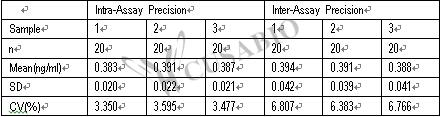
Intra-assay Precision (Precision within an assay): CV%<8%
Three samples of known concentration were tested twenty times on one plate to assess.
Inter-assay Precision (Precision between assays): CV%<10%
Three samples of known concentration were tested in twenty assays to assess.
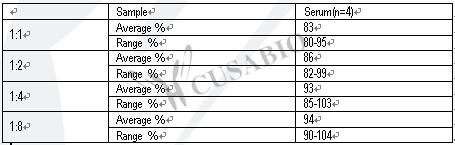
To assess the linearity of the assay, samples were spiked with high concentrations of pig TNFA in various matrices and diluted with the Sample Diluent to produce samples with values within the dynamic range of the assay.
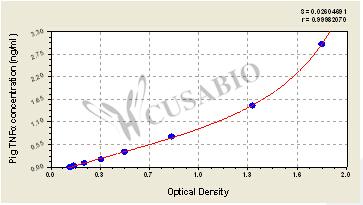
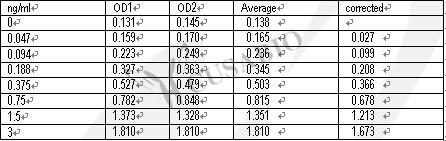
These standard curves are provided for demonstration only. A standard curve should be generated for each set of samples assayed.
and FAQs
This Pig TNF ELISA Kit was designed for the quantitative measurement of Pig TNF protein in serum, plasma, cell culture supernates, tissue homogenates. It is a Sandwich ELISA kit, its detection range is 0.047 ng/mL-3 ng/mL and the sensitivity is 0.040 ng/mL.
Citations
- S Liu, L Wang, XK Nie, CY Song, YH Chen,SSRN,2026
- S Liufu, W Wen, J Ouyang, B Chen, K Wang, L Xiao,Genomics,2025
- JY Park, HM Lee, KJ Kang, MK Jung, JY Mun,Veterinary Microbiology,2025
- AI Galve, I Garutii, E Vara, G González, G Cusati,preprints,2025
- Y Feng, Z Lin, H Wang, Z Men, J Shen, X Ma,Science China Life Sciences,2025
- J Wang, H Sun, Z Peng, SQ Wang, YQ Yan, WC Luo,Antioxidants,2025
- X Ji, H Ding, F Zhou, F Zhang, D Wu,Ecotoxicology and Environmental Safety,2025
- KB Jang, Y Kim, J Ahn, JI Lee, S Park, J Choe, Y Kim,Animal Microbiome,2024
- M Liu,International Journal of Molecular Sciences,2024
- W Sun,Cellular and molecular life sciences,2024
Customer Reviews and Q&A
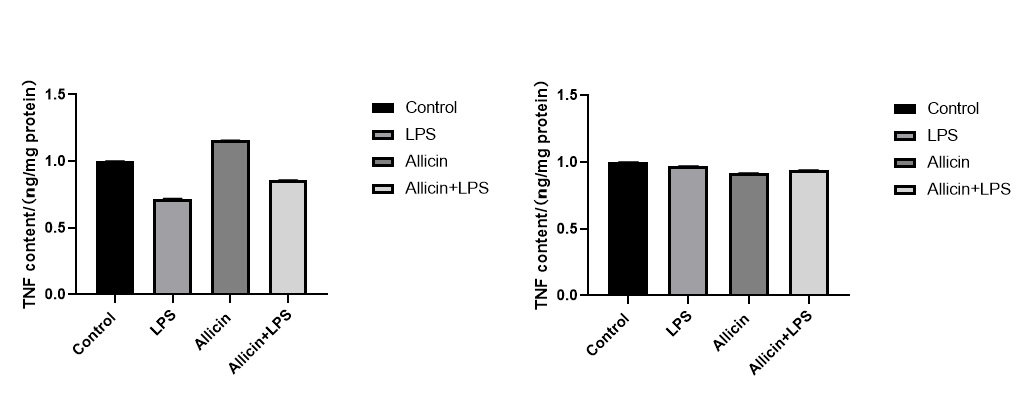
Sample type: Cell culture supernatant
Sample species: Pig
Sample dilution: No dilution
Review: The results are very satisfactory. I used the cell culture medium supernatant, and the other kits had interfering factors, but the CUSABIO one did not, and after trying several other kits, I found that this brand was the only one that worked well.
By Anonymous
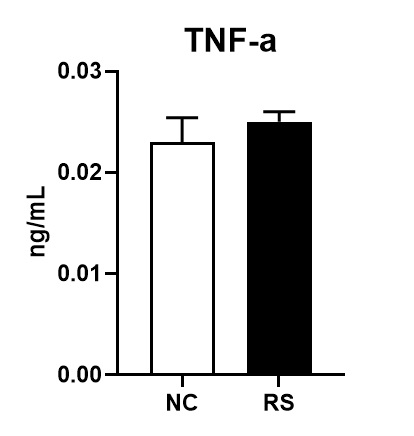
Sample type: Serum
Sample species: Pig
Sample dilution: No dilution
Review: Out of the long-standing trust in Huamei products, Huamei kit was used to determine pig serum this time, and the effect was somewhat different, which may be related to the sample. I plan to test it again several times.
By Anonymous
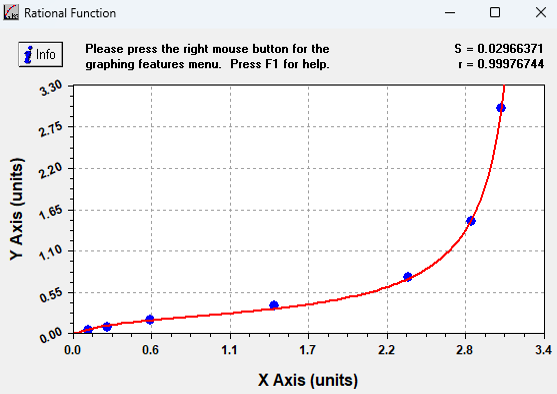
Sample type: Tissue homogenate Colon
Sample species: Pig
Sample dilution: No dilution
Review: I used the CSB-E16980p kit to detect the level of TNF-α in colon homogenate. The OD values of the standard curve were 0.0845, 0.1944, 0.3332, 0.6371, 1.5236, 2.4805, 2.9306, 3.1424 respectively. The sample OD value range was 0.1012-1.9478. The sample repeatability was very good, and the int...
By Anonymous
Target Background
(From Uniprot)
- these findings provide the direct evidence that ADAM17 cleaves porcine TNFalpha, which represents a new view for identifying potential therapeutic targets in anti-porcine reproductive and respiratory syndrome virus therapy
- TMZ pretreatment effectively reduced the myocardial damage caused by CME via inhibiting the PDCD4/NF-kappaB/ TNF-alpha pathway in cardiomyocytes.
- TNF-alpha, secreted from activated Monocytes, mediates the downregulation of OTX2 and essential retinal pigment epithelium genes.
- TNF-alpha induced MMP-13 expression by condylar cells might be involved in the degradation of the juvenile condyle.
- TNF-alpha was able to promote theca interna cell proliferation. Our results suggest that TNF-alpha might play a role in hyperandrogenism, cortex thickness, and the increased ovary volume observed in polycystic ovaries.
- This study showed that the -791(C-->T) mutation of the TNF-alpha gene could be considered an important potential genetic marker of enterotoxigenic Escherichia coli F18 resistance.
- Both Nsp1beta and Nsp11 of porcine reproductive and respiratory syndrome virus were demonstrated to be responsible for the inhibitory effect on TNF-alpha production in pulmonary alveolar macrophages.
- Study presents evidence demonstrating a single species of exotoxin ApxI, derived from A. pleuropneumoniae serotype 10, induces the expression and production of proinflammatory cytokines IL-1beta, IL-8 and TNF-alpha in porcine alveolar macrophages.
- the role of miR-181a in adipocyte differentiation by regulation of TNF-alpha
- The NOS inhibitor, L-NMMA, significantly suppressed the combined effects of HT and CORM-2 on TNFalpha-triggered NFkappaBp65 phosphorylation as well as decreased cell viability.
- High-volume hemofiltration improves hemodynamics and heart dysfunction in septic shock pigs, which may be attributed to reduction of TNF-alpha in myocardium but not in circulation.
- Basal lipogenesis was not affected by tumor necrosis factor alpha (TNFalpha) treatment; however, insulin stimulated lipogenesis was reduced by TNFalpha. Interleukin 6 and TNFalpha gene expression were acutely (2-4 h) stimulated by exogenous TNFalpha treatment.
- In swine, IL-8, TNF-ALPHA, INOS AND MIP-1BETA were increased during mechanical ventilation in a time-related fashion.
- These data demonstrate that CRF triggers increases in intestinal paracellular permeability via mast cell dependent release of TNF-alpha and proteases.
- We identified critical amino acid residues in PRRSV Nsp1alpha and Nsp1beta that are important for TNF-alpha down-regulation and attenuation in vivo.
- Porcine reproductive and respiratory syndrome virus infection impaired TNF-alpha production by inhibiting ERK signaling. pathway.
- Data show that all five molecules, BNP, ICAM-1, TNF-alpha, VCAM-1 and IL-6, quickly and reliably signaled adverse interactions.
- These results suggest that trans-10, cis-12-conjugated linoleic acid can modulate TNF-alpha production and NF-kappa B expression by a PPARgamma-dependent pathway in porcine peripheral blood mononuclear cells.
- Retinal ischemia results in increased expression of TNF-alpha and its receptors (TNF-R1 and TNF-R2).
- increased plasma levels during recovery from cardiac arrest are associated with left ventricle dysfunction
- Viral non-structural protein 1 suppressed host TNF-alpha promoter by inhibiting NF-kappaB and Sp1 promoter binding activity.
- Exposure of porcine oocytes to an elevated TNF-alpha concentration clearly caused a reduction in their maturation from GV stage to MII stage and increased the proportion of oocytes with abnormal chromosome alignment and cytoskeleton structure
- Survival in the setting of severe, acute trauma/hemorrhagic shock appears to be associated with an immediate increase in serum TNF-alpha.
- These results suggest that TNF-alpha and IL-10, but not IL-6, are involved in the late reparatory phases of the experimental disk lesion.
- Repression of TNF-alpha associated with moderate hypothermia during experimental cardiac surgery is due to inhibition of the mitogen-activated protein kinase p38/activating protein-1 pathway and not to inhibition of NF-kappa B.
- Stenting of coronary arteries was associated with an eight-fold enhancement in TNFalpha expression in injured arterial tissue.
- The effect of EGF on pro-inflammatory cytokines, tumor necrosis factor-alpha (TNF-alpha) and cyclooxygenase-2 (COX-2), levels during wound healing in swine is reported.
- In coronary microembolization, TNF-alpha is responsible for both progressive contractile dysfunction and delayed protection against infarction.
- The data indicate that the development of clinical symptoms of coliform mastitis in the sow is associated with a locally increased proinflammatory cytokine production in response to intramammary Escherichia coli infection.
- the ERK/GEF-H1/Rho/Rho kinase/phospho-MLC pathway is the mechanism mediating TNF-alpha-induced elevation of tubular epithelial permeability, which in turn might contribute to kidney injury
- Data show that cysteine significantly reduced the expression of pro-inflammatory cytokines, including TNF-alpha, IL-6, IL-12p40, IL-1beta, and resulted in increased expression of the apoptosis initiator caspase-8 and bcl2L1.
- TNF-alpha inhibits adipogenesis through stabilization of beta-catenin protein in porcine preadipocytes.
KEGG:
STRING:
UniGene: