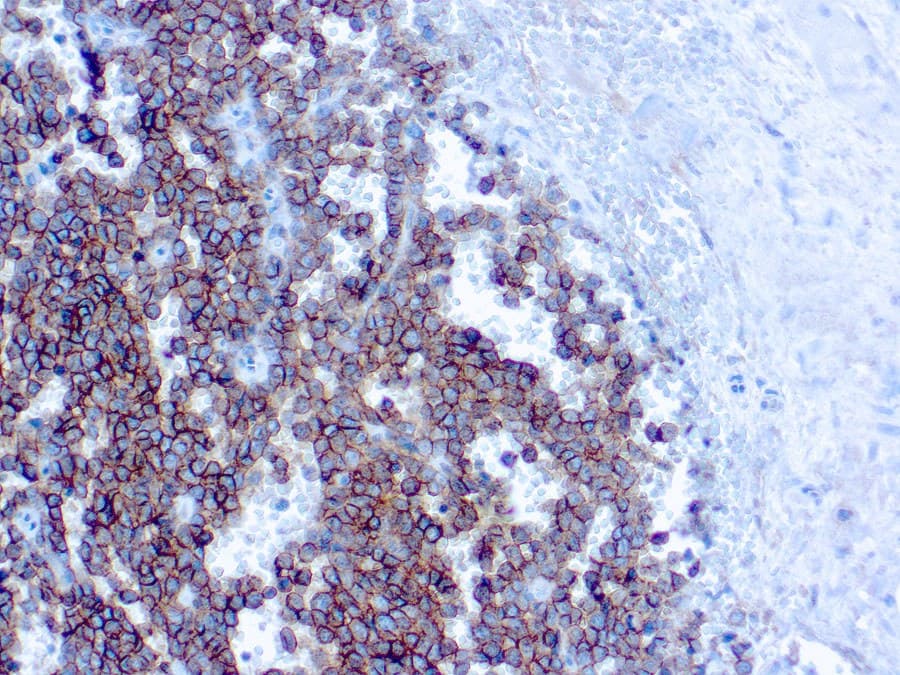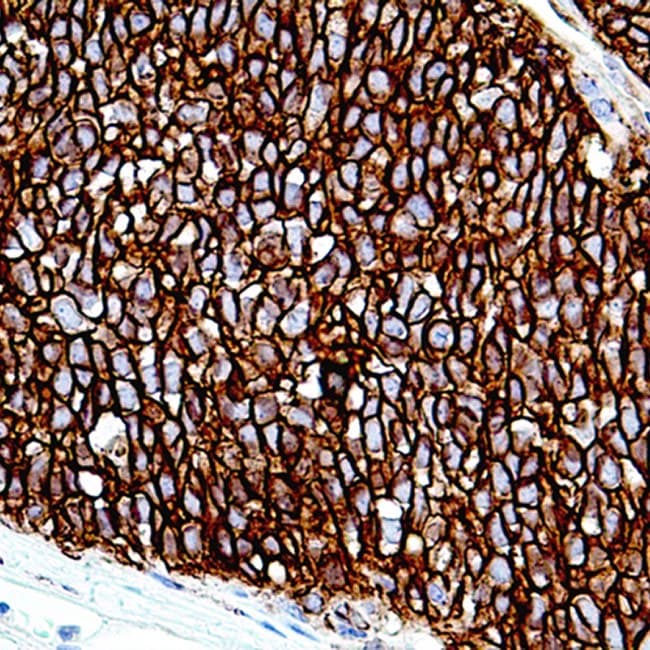

Cluster of Differentiation 99 (CD99), also known as MIC2 or T-cell surface glycoprotein E2, is a highly O-glycosylated 32 kDa transmembrane cell-surface glycoprotein encoded by the MIC2 gene located within the pseudoautosomal regions of the X and Y chromosomes. CD99 participates in cell adhesion, transendothelial migration, apoptosis, cellular differentiation, and intracellular signaling, playing important roles in immune regulation, hematopoiesis, and tumor biology.
Biological Significance of CD99
- Mediates leukocyte adhesion and diapedesis across vascular endothelium.
- Regulates cellular differentiation, migration, and apoptotic pathways.
- Participates in immune cell activation and intracellular signaling processes.
- Exhibits tissue- and tumor-specific expression patterns with important diagnostic relevance.
Diagnostic Utility in Soft Tissue Pathology
- An established immunohistochemical marker for the diagnosis of Ewing sarcoma, typically demonstrating strong, diffuse membranous staining.
- Supports the differential diagnosis of small round cell tumors when interpreted alongside morphology, molecular findings, and additional immunophenotypic markers.
- Expression may also be observed in CIC-rearranged sarcoma, Synovial sarcoma, Mesenchymal chondrosarcoma, Lymphoblastic lymphoma, Acute lymphoblastic leukemia, and occasional cases of Rhabdomyosarcoma; therefore, interpretation should always occur within an appropriate antibody panel.
Key Features of CE/IVD Anti-CD99 Antibodies
- Validated for immunohistochemistry on FFPE tissues.
- Optimized for detection of membranous CD99 expression.
- Suitable for automated and manual staining platforms.
- Designed for high sensitivity, reproducibility, and batch-to-batch consistency in routine diagnostic laboratories.