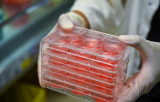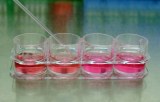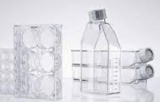
Three-dimensional (3D) cell culture technologies provide physiologically relevant in vitro models that better recapitulate native tissue architecture, cell–cell and cell–extracellular matrix interactions, nutrient and oxygen gradients, and gene expression than conventional two-dimensional cultures. Consequently, 3D cell culture systems have become indispensable for cancer research, stem cell biology, organoid culture, tissue engineering, regenerative medicine, drug discovery, toxicology, and precision medicine, improving the predictive value of preclinical studies while reducing translational failure. Comprehensive 3D cell culture kits, specialized media, bioreactors, scaffolds, and spheroid culture equipment enable standardized, reproducible generation and maintenance of spheroids and organoids across diverse research applications.
Key Features
-
Physiologically Relevant Models: 3D cell culture models with enhanced cellular functionality.
-
Optimized Culture Media: Supports spheroid and organoid formation.
-
Standardized Workflows: Reproducible protocols for high experimental consistency.
-
Broad Analytical Compatibility: Compatible with high-content imaging, molecular analysis, and drug screening.
-
Scalable Research Platforms: Suitable for basic research, disease modeling, and translational applications.
-
Wide Cell Type Compatibility: Supports primary cells, stem cells, and established cell lines.