

CD4 (AP)

Cat# MBS6247606-0,1mL
Size : 0.1mL
Brand : MyBiosource
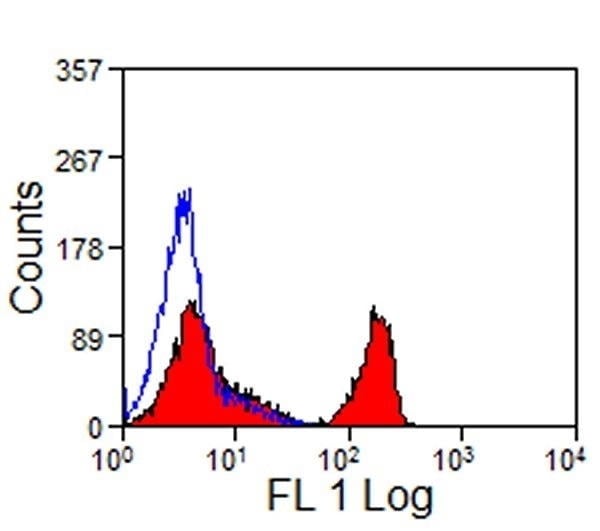
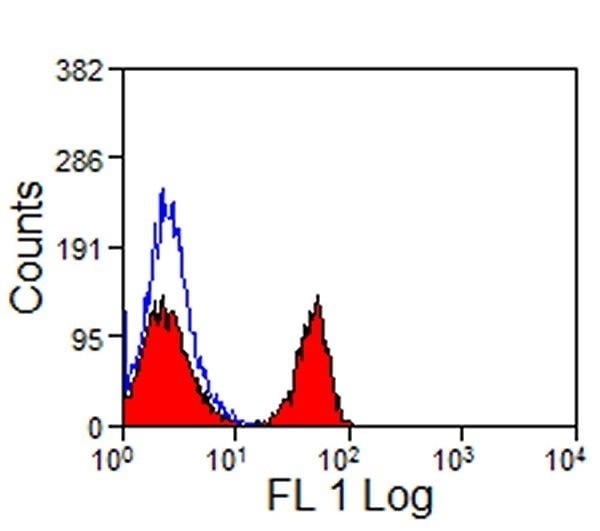
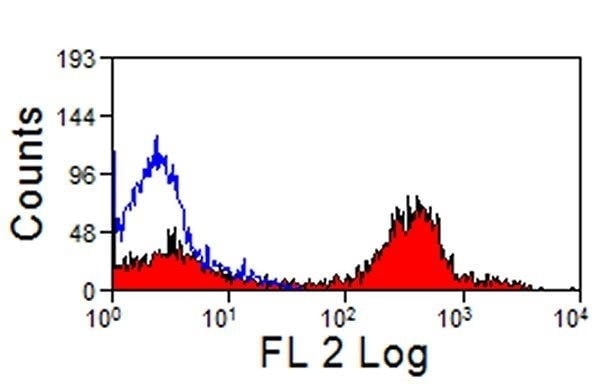
CD4 Antibody – Mouse Monoclonal
For Research Use Only. Not for use in diagnostic procedures. Catalog #: MBS6247606MBS6247606 is an antibody targeting CD4. Also known as CD4 (AP). Reactive in Equine. Host: Mouse. More details
Product Overview
Online Datasheet in PDFProduct Name
CD4, Monoclonal Antibody
Full Product Name
CD4 (AP)
Product Gene Name
anti-CD4 antibody
Clonality
Monoclonal
Isotype
IgG1
Clone Number
CVS4
Host
Mouse
Species Reactivity
Equine
Form/Format
Supplied as a liquid in PBS, pH 7.2. Labeled with Alkaline Phosphatase.
Purity/Purification
Purified by protein A affinity chromatography form tissue culture supernatant.
Specificity
Recognizes equine CD4.
Preparation and Storage
Store at 4 degree C. Do Not Freeze.
Applications Tested/Suitable for anti-CD4 antibody
Immunohistochemistry (IHC), Immunoprecipitation (IP)
Product References and Citations for anti-CD4 antibody
1. Lunn, D.P.et al. (1991) Three monoclonal antibodies identifying antigens on all equine T lymphocytes, and two mutually exclusive T-lymphocyte subsets. Immunol. 74: 251-257. 2. Kydd, J.H. and Antczak, D.F., (1991) Report of the First International Workshop on Equine Leucocyte Antigens, Cambridge, UK, July 1991 Equine Immunol. 4-5. 3. Deeg,C.A. et al. (2004) The uveitogenic potential of retinal S-antigen in horses. Invest Ophthalmol Vis Sci. 45: 2286-92. 4. Pearson, W. et al. (2007) Low-dose ginseng (Panax quinquefolium) modulates the course and magnitude of the antibody response to vaccination against equid herpesvirus I in horses. Can J Vet Res. 71: 213-7. 5. Brault, S.A. et al. (2010) The immune response of foals to natural infection with equid herpesvirus-2 and its association with febrile illness. Vet Immunol Immunopathol. 137: 136-41. 6. Goodman, L.B. et al. (2007) A point mutation in a herpesvirus polymerase determines neuropathogenicity. PLoS Pathog. 3(11):e160. 7. Hamza, E. et al. (2011) CD4(+)CD25(+) T cells expressing FoxP3 in Icelandic horses affected with insect bite hypersensitivity. Vet Immunol Immunopathol. Jun 6. 8. Go, Y.Y. et al. (2010) Complex interactions between the major and minor envelope proteins of equine arteritis virus determine its tropism for equine CD3+ T lymphocytes and CD14+ monocytes. J Virol. 84: 4898-911. 9. Lunn, D.P. et al. (1998) Report of the Second Equine Leucocyte Antigen Workshop, Squaw valley, California, July 1995. Vet Immunol Immunopathol. 62: 101-143. 10. Ibrahim, S. (2007) Analysis of monoclonal antibody cross-reactivity with leukocytes from equids and cloning of CD28. Anchor Text.
Other Notes
Small volumes of anti-CD4 antibody vial(s) may occasionally become entrapped in the seal of the product vial during shipment and storage. If necessary, briefly centrifuge the vial on a tabletop centrifuge to dislodge any liquid in the container`s cap. Certain products may require to ship with dry ice and additional dry ice fee may apply.
Additional Details
NCBI/Uniprot data below describe general gene information for CD4. It may not necessarily be applicable to this product.
UniProt Primary Accession #
Protein Family
T-cell surface glycoprotein
Precautions
All of MyBioSource's Products are for scientific laboratory research purposes and are not for diagnostic, therapeutics, prophylactic or in vivo use. Through your purchase, you expressly represent and warrant to MyBioSource that you will properly test and use any Products purchased from MyBioSource in accordance with industry standards. MyBioSource and its authorized distributors reserve the right to refuse to process any order where we reasonably believe that the intended use will fall outside of our acceptable guidelines.
Disclaimer
While every efforts were made to ensure the accuracy of the information provided in this datasheet, MyBioSource will not be liable for any omissions or errors contained herein. MyBioSource reserves the right to make changes to this datasheet at any time without prior notice.
It is the responsibility of the customer to report product performance issues to MyBioSource within 30 days of receipt of the product. Please visit our Terms & Conditions page for more information.
It is the responsibility of the customer to report product performance issues to MyBioSource within 30 days of receipt of the product. Please visit our Terms & Conditions page for more information.
Product Note
Select online data sheet information is drawn from bioinformatics databases, occasionally resulting in ambiguous or non-relevant product information. It is the responsibility of the customer to review, verify, and evaluate the information to make sure it matches their requirements before purchasing the kit. Our ELISA Kit assays are dynamic research tools and sometimes they may be updated and improved. If the format of this assay is important to you then please request the current manual or contact our technical support team with a presales inquiry before placing an order. We will confirm the current details of the assay. We cannot guarantee the sample manual posted online is the most current manual, it is intended to serve as an example only. Please refer to the instructions For Use provided with the assay kit for precise details.