

MegaTran 2.0, plasmid DNA transfection reagent (0.5 mL)

Referencia TT210002
embalaje : 500ul
MegaTran 2.0, plasmid DNA transfection reagent (0.5 mL)
SKU
TT210002
MegaTran 2.0, plasmid DNA transfection reagent (0.5 mL), 330 rxns for 24-well plate

Citations
IL-4-STAT6-induced high Siglec-G/10 expression aggravates the severe immune suppressive tumor microenvironment and impedes the efficacy of immunotherapy in head and neck squamous cell carcinoma
Yang, Guo, Ju et al
J Immunother Cancer (2025) 13 (6) DOI: 10.1136/jitc-2025-011474
Yang, Guo, Ju et al
J Immunother Cancer (2025) 13 (6) DOI: 10.1136/jitc-2025-011474
Cited by 14
AI Summary: OriGene's MegaTran V.2.0 transfection reagent was used in this study to introduce STAT6 cDNA into target cells, enabling the researchers to investigate the role of STAT6-induced Siglec-G/10 expression in the immune suppressive tumor microenvironment of head and neck squamous cell carcinoma.
Snippet: 6 overexpression, the STAT6 cDNA was cloned into the PGMLV-CMV-3×Flag-PGK-Puro vector (Genomeditech, Shanghai, China) and transfected into target cells using the MegaTran V.2.0 transfection reagent (Origene, USA). Stable cell populations expressing STAT6 were selected by adding puromycin (5 µg/mL) after 72 hours. Western blotting and quantitative PCR analysis were employed to confirm the eff
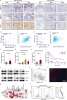
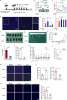
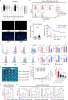
Chemically engineered antibodies for autophagy-based receptor degradation
Cheng, Li, Zheng et al
Nat Chem Biol (2025)
Cheng, Li, Zheng et al
Nat Chem Biol (2025)
Cited by 29
AI Summary: OriGene’s MegaTran 2.0 transfection reagent (TT210002) was used to introduce DNA constructs into cells, enabling the expression of target proteins for evaluating the efficacy of the engineered autophagy-inducing antibodies (AUTABs) in this study.
Snippet: Transient transfection was performed with MegaTran 2.0 (OriGene, TT210002) according to the manufacturer's instructions. Cells were transfected in 24-well plates with
NXPE1alters the sialoglycome by acetylating sialic acids in the human colon
Lee, Cook, Sur et al
medRxiv (2024)
Lee, Cook, Sur et al
medRxiv (2024)
Snippet: Overexpression cassettes (pLenti-C-mGFP-P2A-Puro Vector #RC206474L4 from Origene) 383 were transfected into HEK-293T cells with MegaTran 2.0 (Origene TT210002) with psPAX2 384 (Addgene #12260) and pMD2.G (Addgene #12259) in a 10:3:1 ratio (30µg of total plasmid DNA 385 per well) respectively following manufacturer’s instructions
Tumor specificity of WNT ligands and receptors reveals universal squamous cell carcinoma oncogenes
Chen, Luo, Xu et al
BMC Cancer (2022) 22 (1), 790 DOI: 10.1186/s12885-022-09898-2
Chen, Luo, Xu et al
BMC Cancer (2022) 22 (1), 790 DOI: 10.1186/s12885-022-09898-2
Cited by 19
AI Summary: OriGene products, specifically the WNT7B shRNA lentiviral particles and WNT7B antibody, were used in this study to knock down WNT7B expression and detect its protein levels, enabling the authors to investigate the role of WNT7B in oral squamous cell carcinoma cell migration and invasion.
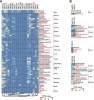
Evaluation of the putative lymphoma-associated point mutation D427H in the STAT3 transcription factor
Behrendsen, Menon, Khan et al
BMC Mol Cell Biol (2022) 23 (1), 23 DOI: 10.1186/s12860-022-00422-9
Behrendsen, Menon, Khan et al
BMC Mol Cell Biol (2022) 23 (1), 23 DOI: 10.1186/s12860-022-00422-9
AI Summary: OriGene’s STAT3 expression plasmids were used to generate wild-type and mutant STAT3 proteins, enabling the study to compare the biochemical and functional properties of the D427H mutant with wild-type and hyperactive STAT3 variants.
Snippet: been identified, wherein its hyper-phosphorylation, premature nuclear retention, enhanced DNA-binding affinity, and subsequent upregulation of target genes are known to drive several hallmarks of tumorigenesis, including metastasis, immune evasion, and drug resistance. Due to its regulatory role in cell proliferation and differentiation, mutations in STAT3 have been associated with poor prognosis;...
Tumor Specificity of WNT Ligands and Receptors Reveals Universal Squamous Cell Carcinoma Oncogenes
Chen, Luo, Xu et al
BMC Cancer (2022) 22 (1), 790 DOI: 10.1186/s12885-022-09898-2
Chen, Luo, Xu et al
BMC Cancer (2022) 22 (1), 790 DOI: 10.1186/s12885-022-09898-2
Cited by 19
AI Summary: OriGene's Megatran1.0 transfection reagent (#TT210002) was used to generate stable WNT7B knockdown OSCC cell lines, enabling the study of WNT7B's role in cancer cell proliferation and invasion in this research.
Snippet: …Consequently, WNT ligand-receptor interaction is extremely promiscu;- Background The WNT signal pathway has myriad family members, which are broadly involved in embryonic development and human cancer. Over-activation of WNT-β- Save;s, 1.5 µg Δ8.9 plasmid and 1 µg VSV-G plasmid using Megatran1.0 (OriGene, #TT210002) according to the manufacturer’s instructions
Showing 1-6 of 12 papers.
Powered by BizGenius
*Delivery time may vary from web posted schedule. Occasional delays may occur due to unforeseen complexities in the preparation of your product. International customers may expect an additional 1-2 weeks in shipping.
Related Products
Usted podría estar interesado también en los siguientes productos:
Referencia
Descripción
Cond.
Precio Sin IVA