

Mouse matrix metalloproteinase 3,MMP-3 ELISA kit

Referencia CSB-E04678m-96T
embalaje : 96T
Marca : Cusabio
 SDS
| Size | 96T,5×96T,10×96T |
Product Details
Intra-assay Precision (Precision within an assay): CV%<8% | |||||
Three samples of known concentration were tested twenty times on one plate to assess. | |||||
Inter-assay Precision (Precision between assays): CV%<10% | |||||
Three samples of known concentration were tested in twenty assays to assess. | |||||
To assess the linearity of the assay, samples were spiked with high concentrations of mouse MMP-3 in various matrices and diluted with the Sample Diluent to produce samples with values within the dynamic range of the assay. | ||||||
| Sample | Serum(n=4) | ||||
1:1 | Average % | 87 | ||||
Range % | 83-95 | |||||
1:2 | Average % | 97 | ||||
Range % | 92-102 | |||||
1:4 | Average % | 92 | ||||
Range % | 87-96 | |||||
1:8 | Average % | 93 | ||||
Range % | 87-98 | |||||
The recovery of mouse MMP-3 spiked to levels throughout the range of the assay in various matrices was evaluated. Samples were diluted prior to assay as directed in the Sample Preparation section. | ||||||
Sample Type | Average % Recovery | Range | ||||
Serum (n=5) | 92 | 88-95 | ||||
EDTA plasma (n=4) | 101 | 95-108 | ||||
These standard curves are provided for demonstration only. A standard curve should be generated for each set of samples assayed. | ||||||
| ||||||
ng/ml | OD1 | OD2 | Average | Corrected | ||
20 | 2.367 | 2.264 | 2.316 | 2.157 | ||
10 | 1.688 | 1.655 | 1.672 | 1.513 | ||
5 | 0.975 | 0.999 | 0.987 | 0.828 | ||
2.5 | 0.613 | 0.652 | 0.633 | 0.474 | ||
1.25 | 0.346 | 0.364 | 0.355 | 0.196 | ||
0.625 | 0.251 | 0.266 | 0.259 | 0.100 | ||
0.312 | 0.197 | 0.189 | 0.193 | 0.034 | ||
0 | 0.156 | 0.162 | 0.159 |
| ||

and FAQs
Citations
- Z Wang, S Zhang, X Li, X Sun, Q Yue, K Zheng,Scientific Reports,2026
- Q Luo, S Zhang, Z Sun, Z Wang, Q Yue, X Sun, L Tian,PloS one,2025
- Wang XF.et al,Exp Gerontol.,2016
- Zhang Xie et al,Rejuvenation Research,2015
Customer Reviews and Q&A
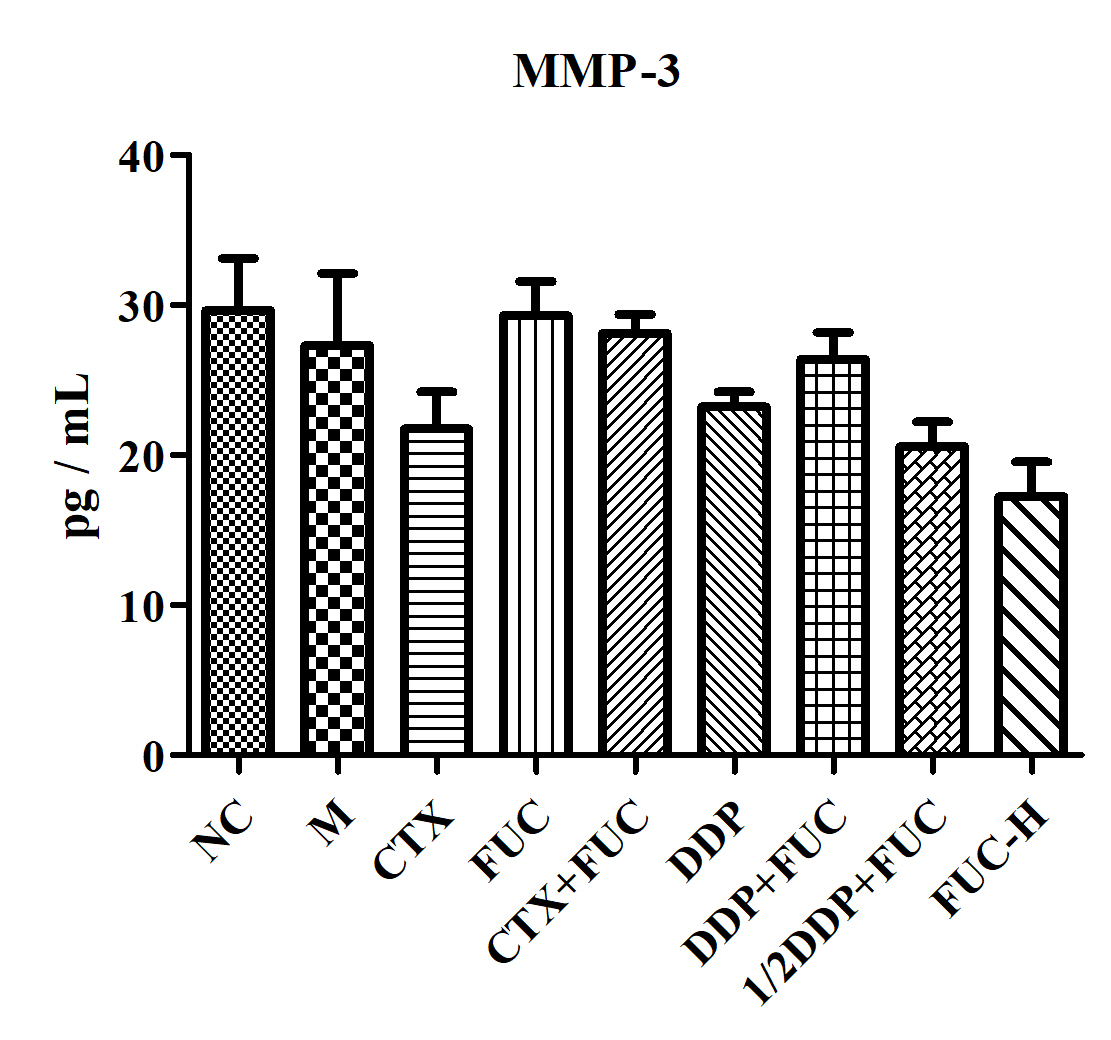
Sample type: Serum
Sample species: Mouse
Sample dilution: 1:100
Review: I used CSB-E04678m to measure mouse serum matrix metalloproteinase 3 level, the results are as shown in the figure, the kit samples are sufficient, the sample and dilution color correspondence intuitive, the instructions are concise and clear, the operation is easy to get started, the data...
By Anonymous
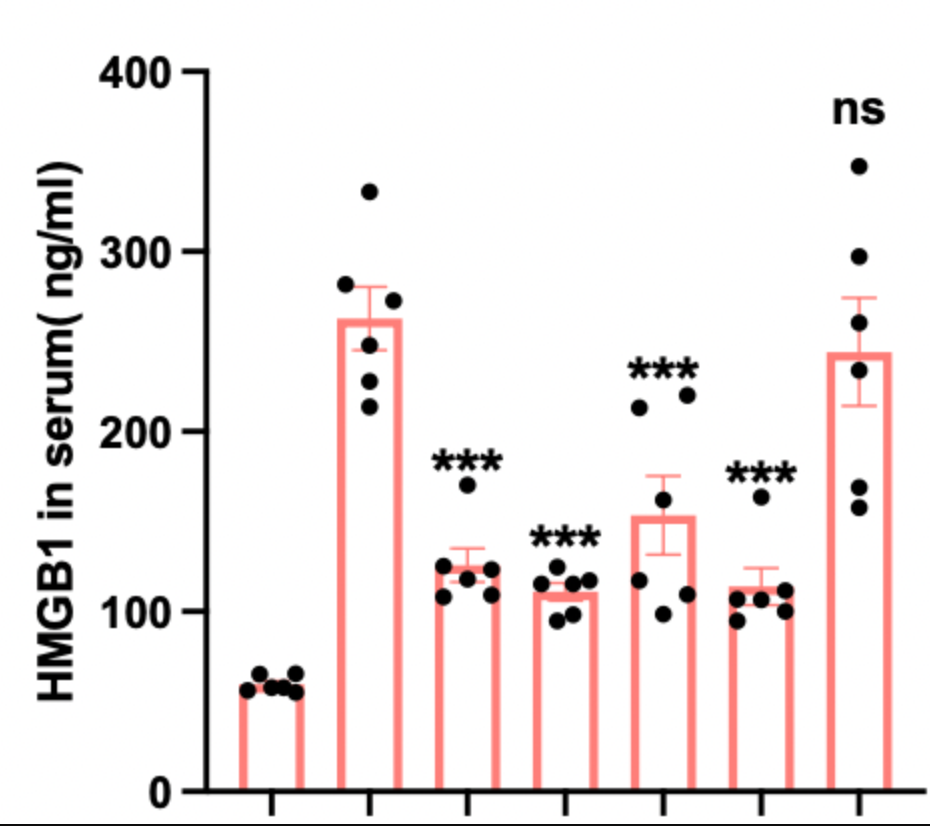
Sample type: Serum
Sample species: Mouse
Review: I used CSB-E04678m to detect serum MMP-3 level in mice, its OD is shown in the figure, the kit has sufficient samples, sample and diluent color corresponds intuitively, the instructions are concise and clear, the operation is easy to get started, the data is accurate, satisfied.
By Anonymous
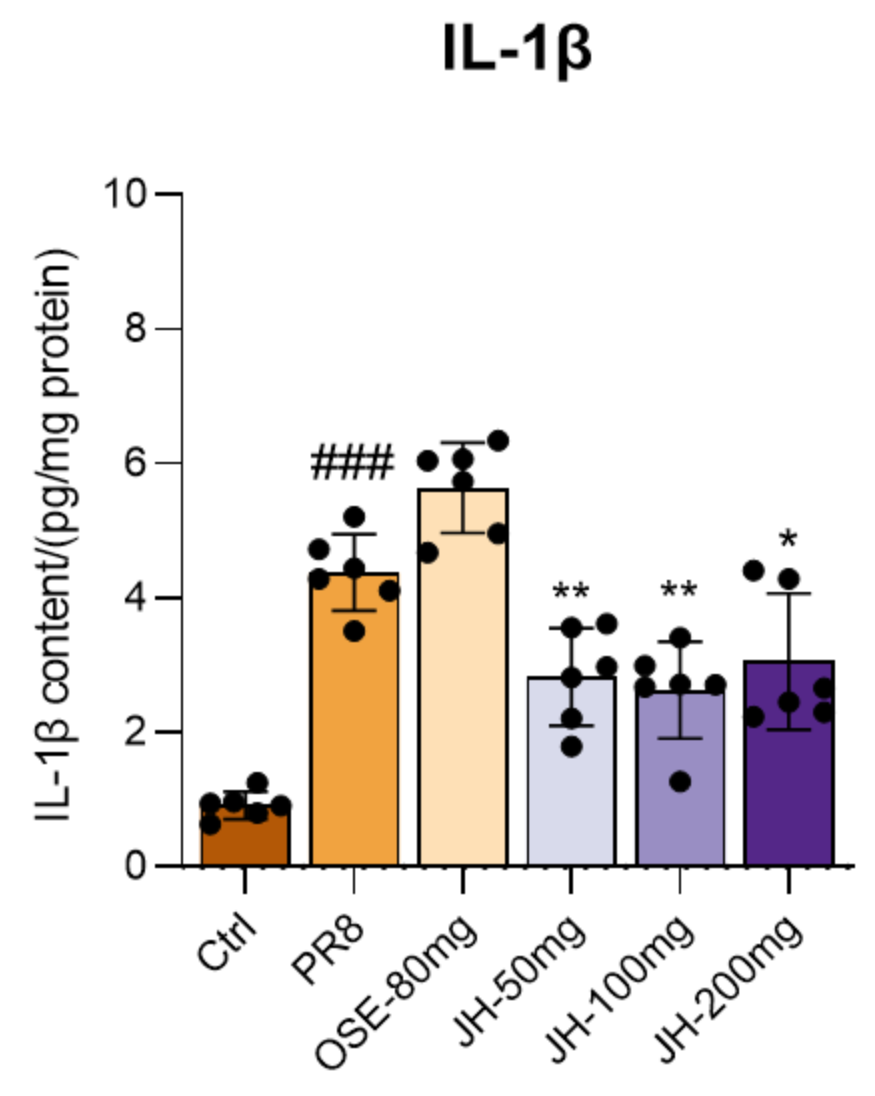
Sample type: Serum
Sample species: Mouse
Sample dilution: 1:10
Review: I used CSB-E07430m to measure serum MCP-1 level in mice, the kit has sufficient sample volume, the color correspondence between sample and diluent is intuitive, the instructions are concise and clear, the operation is easy to get started, the data is accurate, satisfied.
By Anonymous
Target Background
(From Uniprot)
- BMAL1 Deficiency Contributes to Mandibular Dysplasia by Upregulating MMP3.
- MMP3 contributes to the pathogenesis of ARDS by affecting the pulmonary inflammatory response in female mice in relevant models of lung injury.
- endogenously secreted chemerin plays an autocrine/paracrine role in white adipose tissue, identifying chemerin as a therapeutic target to modulate adipose remodelling.
- Overexpression of Mmp3 in 3T3-L1 preadipocytes inhibited differentiation. High fat diet-induced obesity downregulates adipocyte MMP3 expression to trigger adipogenesis, and adipocyte TIMP4 may modulate this process to regulate hyperplastic vs. hypertrophic adipose tissue expansion, fat distribution, and metabolic health in a sex- and depot-dependent manner.
- Matrix metalloprotease 3 (MMP3), an endogenous neuronal activator of microglia, increased cytokine release from YAC128 microglia compared to wildtype microglia. We found elevated MMP levels in Huntington's Disease (HD) CSF, and MMP levels correlate with disease severity in HD. These data support a novel role for MMPs and microglial activation in HD pathogenesis.
- These results indicate that periodic induction, via use of an eye drop, of AAV-mediated secretion of MMP-3 into aqueous humour could have therapeutic potential for those cases of glaucoma that are sub-optimally responsive to conventional pressure-reducing medications.
- Data show that loss of loss of matrix metalloproteinase-3 (MMP-3) repressed the upregulation of the chemokines monocyte chemoattractant protein (MCP)-1 and (C-X-C motif) ligand 1 (CXCL1).
- Mmp3-knockout mice maintained higher arterial oxygenation compared to wild-type mice in a model of acute lung injury.
- NMP4 deficiency suppressed the arthritis-induced increase in bone resorption, expression of RANKL and MMP-3 mRNA.
- MMP-3 produced in blood vessel endothelial cells after spinal cord injury serves as an endogenous molecule for microglial activation followed by p38MAPK activation and proNGF production
- genetic inactivation of MMP-3 has profound effects on the structural integrity and plasticity response of the visual cortex of adult mice
- Study suggests that MMP-3 modulates intracellular MAP kinase signaling pathway and as such, influences a molecular chaperone that regulates cytoskeletal components important for neurite outgrowth, neuronal migration and dendritic arborization
- Data indicate that interferon regulatory factor-8 (IRF8) regulates tumor behavior in an matrix metalloproteinase 3 (MMP3)-dependent manner.
- Established are novel molecular mechanisms underlying oxidative stress-mediated dopaminergic neuronal death in which MMP3 activation is a key upstream event that leads to Nox1 induction and eventual dopaminergic neuronal death.
- These results demonstrated the role of MMP-3 in blood-spinal cord disruption after spinal cord injury for the first time
- study demonstrates that MMP-3 leads to caspase-9 activation and suggests that this occurs indirectly via a cytosolic protein, possibly involving Apaf-1
- Poly(P) induces MMP-3-regulated proliferation and differentiation of induced pluripotent stem cells into odontoblast-like cells.
- a novel role of MMP3 in nucleus during viral infection
- an extracellular regulator of the Wnt signaling pathway and mammary stem cell activi
- MMP-3 has a role in nigrostriatal dopaminergic neuronal loss, BBB damage, and neuroinflammation in an MPTP mouse model of Parkinson's disease
- Elevated expression of MMP-3 in globoid cell leukodystrophy mediates pathophysiological processes in this disease.
- hnRNP-K regulates extracellular matrix, cell motility, and angiogenesis pathways. Involvement of the selected genes (Cck, Mmp-3, Ptgs2, and Ctgf) and pathways was validated by gene-specific expression analysis
- These experiments further define the molecular mechanism of estrogen's bone-protective effects by inducing osteoclast apoptosis through upregulation of MMP3 and FasL cleavage.
- the hemopexin domainof MMP3 directs epithelial invasion and branching
- These results demonstrate a critical role for MMP3 in motor endplate remodeling, and reveal a potential target for therapeutic intervention to prevent motor endplate degradation following nerve injury.
- Data indicate significant upregulation of MMP-9 and -3 expressions and activities in stomach with increasing doses and duration of indomethacin.
- Ras-GRF1 and -GRF2 may act as adaptors that bind PLCgamma1 and restrict Ca2+ signalling to the vicinity of focal adhesions, indicating a new role for these GRFs that is required for IL-1 induction of the Ras-->ERK pathway and MMP-3 expression
- Activation of epithelial-mesenchymal transition by MMP-induced expression of Rac1b gave rise to lung adenocarcinoma.
- MMP-3-triggered Rac1 splicing regulation is modulated by hnRNP A1
- Developmental and adult cerebellar defects might contribute to the aberrant motor phenotype observed in MMP-3-deficient mice and suggest an involvement of MMP-3 in mouse cerebellar development.
- in vitro and in vivo evidences suggest that MMP-3 plays an inductive role in KIM-1 shedding by PTEC
- mRNA levels of MCP-1 and MMP-3 in intervertebral discs significantly diminished and the ability of MCP-1 or MMP-3 expression to respond to TNF-alpha or TWEAK stimulation was significantly reduced as age increased.
- Cellular MMP-3 expression was increased by high-dose epinephrine in both skeletal fibroblast and myoblast cell lines.
- These observations support a novel role for MMP-3 in the pathogenesis of idiopathic pulmonary fibrosis.
- enhanced MMP3 expression by astrocytes in infected MMP9(-/-) mice suggests an active role of resident cells in participating and potentially collaborating with infiltrating cells in regulating blood-brain barrier
- MMP-3 mediated activation of MMP-9 is required for efficient neointima formation after carotid ligation in vivo and for vascular smooth muscle cell migration in vitro
- MMP-3 is transcriptionally upregulated by Wnt signaling.
- Concurrent expression of Mmp-3 with many cardiogenic genes reveals a critical role in Noggin-induced cardiac differentiation of embryonic stem cells.
- analysis of allele-specific regulation of matrix metalloproteinase-3 gene by transcription factor NFkappaB
- Early induction of MMP-3 was distinct from MMP-9 during endometriosis, which was regulated by c-Fos and TIMP-3. Melatonin suppressed MMP-3 activity and amplified apoptosis while regressing endometriosis through a caspase-3 mediated pathway.
- IL-1-induced signaling through focal adhesions leading to MMP3 release and interactions between SHP-2 and PTPalpha are dependent on the integrity of the catalytic domains of PTPalpha.
- Matrix metalloproteinase-3 is increased and participates in neuronal apoptotic signaling downstream of caspase-12 during endoplasmic reticulum stress
- These results further indicate a role of MMP-3 in the demise of DArgic neurons and suggest MMP-3 as a candidate cellular target for neuroprotective therapy.
- EP3 receptor signaling on endothelial cells is essential for the MMP-9 upregulation that enhances tumor metastasis and angiogenesis.
- COX-2 activity modulates MMP-9 and-3 activities
- The up-regulation of stromelysin-1 (MMP-3) in a spontaneously demyelinating transgenic mouse precedes onset of disease.
- Activation of p38 alpha MAPK enhances its expression by mRNA stabilization
- MMp3 expression correlates with virulence following neurotropic mouse hepatitis virus infection
- MMP-3 impairs adipose tissue development, possibly by affecting food intake and/or adipose tissue-related angiogenesis
- MMP-3 induces secondary and tertiary lateral branching of ducts during mid-puberty and early pregnancy.
KEGG:
STRING:
UniGene: