
Microbiology investigates the biology, genetics, physiology, and ecology of microorganisms. It encompasses understanding how microbes live, grow, and interact with their environments and hosts. While some microbes are pathogenic and cause diseases, human pathogens constitute less than 1% of all microbial species. Microbiologists employ various techniques, including culturing and molecular methods, to study microbial life and their genetic material. The field has been fundamental in major scientific breakthroughs such as the development of vaccines, antibiotics, and the response to emerging infectious diseases like COVID-19.
Major Branches of Microbiology by Microorganism Type
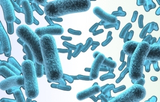
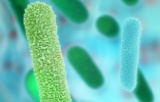
- Bacteriology: This branch studies bacteria, which are unicellular prokaryotic organisms found in virtually every environment on Earth. Bacteriology covers bacterial morphology, genetics, physiology, ecology, and their roles in health and disease. It includes studying pathogenic bacteria that cause diseases in humans, animals, and plants, as well as beneficial bacteria involved in processes like nitrogen fixation and fermentation.
- Virology: Virology focuses on viruses and virus-like agents, which are acellular entities that require host cells to replicate. This branch studies viral structure, classification, life cycles, and interactions with host organisms. Medical virology investigates viruses causing human diseases (e.g., influenza, HIV, coronaviruses), while plant and animal virology study viral infections in crops and livestock. Techniques used include electron microscopy, cell culture, and molecular methods such as PCR.
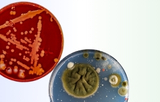
- Mycology: Mycology is the study of fungi, including yeasts, molds, and mushrooms. Fungi are eukaryotic organisms important in decomposition, nutrient cycling, and symbiotic relationships with plants. Medical mycology investigates fungal pathogens causing diseases like candidiasis, while industrial mycology explores fungi for antibiotic production (e.g., penicillin), fermentation, and enzyme synthesis.
- Protozoology: This branch studies protozoa, which are single-celled eukaryotic organisms often motile and heterotrophic. Protozoology covers their biology, ecology, and role as parasites causing diseases such as malaria and amoebiasis.
- Phycology (Algology): Phycology studies algae, photosynthetic organisms ranging from microscopic phytoplankton to large seaweeds. Algae are crucial in aquatic ecosystems and have applications in biofuel production and as food sources.
- Parasitology: Parasitology examines parasites, including protozoa, helminths (worms), and ectoparasites like ticks and lice. It focuses on parasite life cycles, host interactions, epidemiology, and control of parasitic diseases affecting humans, animals, and plants.
- Nematology: This specialized field studies nematodes (roundworms), many of which are parasites of plants and animals, impacting agriculture and health.
Applications of Microbiology
- Healthcare: Development of vaccines, antibiotics, and diagnostic tools; understanding and controlling infectious diseases; tackling antimicrobial resistance; and studying human microbiomes influencing health.
- Food Industry: Production of fermented foods and dairy products using beneficial microbes; prevention of food spoilage and foodborne illnesses; use of natural microbial pesticides; and food preservation techniques like bacteriocins (e.g., nisin).
- Environmental Management: Use of microbes in bioremediation to degrade pollutants and clean wastewater; bioleaching and biomining to extract metals from ores; and understanding microbial roles in climate change and ecosystem functioning.
- Biotechnology and Industry: Production of enzymes, organic acids, vitamins, and antibiotics; genetic engineering of microbes for pharmaceuticals and industrial processes; and use in fermentation industries such as brewing and biofuel production.
- Research and Exploration: Microbiology aids in answering fundamental questions about life, disease prevention, climate impact, and even the possibility of extraterrestrial microbial life.
Microbiology is a foundational biological science that explores the vast and varied world of microorganisms. Its many subfields and applications demonstrate the critical role microbes play in health, industry, agriculture, and environmental sustainability. From pioneering vaccines and antibiotics to advancing biotechnology and environmental solutions, microbiology continues to be vital in addressing some of the most pressing challenges and opportunities facing humanity.