

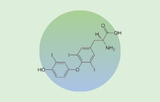
Thyroid-stimulating hormone (TSH), also known as thyrotropin, is a glycoprotein hormone synthesized and secreted by the thyrotrophs of the anterior pituitary gland. It serves as the primary regulator of thyroid gland function. TSH belongs to the glycoprotein hormone family, which also includes follicle-stimulating hormone (FSH), luteinizing hormone (LH), and human chorionic gonadotropin (hCG). The hormone is a heterodimer composed of two non-covalently linked subunits: a common α-subunit and a unique β-subunit. While the α-subunit is shared with other glycoprotein hormones and is biologically inactive on its own, the β-subunit provides receptor specificity, allowing TSH to bind selectively to the thyroid-stimulating hormone receptor (TSHR) on thyroid follicular cells. The biological activity of TSH depends on the proper association of these two subunits, which is stabilized by a characteristic "seat belt" region within the β-subunit.
Biosynthesis and Regulation
The synthesis and secretion of TSH are tightly controlled by the hypothalamic-pituitary-thyroid axis. Thyrotropin-releasing hormone (TRH), produced by the hypothalamus, stimulates both TSH synthesis and secretion from anterior pituitary thyrotrophs. In contrast, the thyroid hormones thyroxine (T4) and triiodothyronine (T3) exert a potent negative feedback effect on both the hypothalamus and the pituitary, reducing TSH production when circulating thyroid hormone levels are elevated. This feedback mechanism maintains stable endocrine homeostasis. Additional regulation is provided by somatostatin, which inhibits TSH secretion. At the molecular level, T3 acts as the principal negative regulator of TSH β-subunit gene expression through thyroid hormone receptor-mediated transcriptional control, whereas TRH also influences TSH glycosylation, an essential post-translational modification required for optimal biological activity. The synthesis of the β-subunit represents the rate-limiting step in the production of mature, biologically active TSH.
Clinical Significance
Serum TSH measurement is the most widely used and sensitive laboratory test for evaluating thyroid function. Owing to the negative feedback relationship between TSH and thyroid hormones, elevated serum TSH concentrations generally indicate hypothyroidism, reflecting increased pituitary stimulation of an underactive thyroid gland. Conversely, suppressed TSH levels are typically associated with hyperthyroidism, in which excessive circulating T4 and T3 inhibit pituitary TSH secretion. Although these represent the most common clinical scenarios, uncommon conditions such as TSH-secreting pituitary adenomas may also produce abnormal TSH and thyroid hormone profiles. Circulating TSH has a plasma half-life of approximately 50 to 80 minutes. Given the central role of the TSH-TSHR signaling pathway and the receptor's classification as a GPCR, TSHR remains an important therapeutic target, with ongoing research focused on developing selective agonists, antagonists, and allosteric modulators for the treatment of thyroid diseases.
