

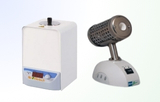
Microbiology laboratories require diverse categories of equipment designed to support the cultivation, observation, analysis, and safe handling of microorganisms. This equipment facilitates a sterile environment, precise control of culture conditions, and sensitive microbial detection and quantification.
Key Equipment Categories
Sterilization Equipment: Sterilization is fundamental to microbiology to prevent contamination. Equipment such as autoclaves and hot air ovens use steam under pressure or dry heat, respectively, to sterilize culture media, glassware, and instruments, ensuring aseptic conditions.
Cultivation and Incubation Devices: Incubators provide tightly controlled environmental conditions including temperature, humidity, and sometimes gas composition, essential for optimal microbial growth. Specialized anaerobic chambers or jars support the growth of oxygen-sensitive microorganisms.
Microscopy Equipment: Microscopes, ranging from light to advanced fluorescence and electron microscopes, enable visualization and morphological study of microbes at high resolution. They are indispensable for bacterial identification and research.
Centrifugation Devices: Centrifuges separate components in liquid samples based on density, facilitating isolation of microbial cells, organelles, nucleic acids, and proteins, playing a critical role in sample preparation and analysis.
Analytical Instruments: Spectrophotometers measure optical density or absorbance to assess microbial growth or biochemical reactions quantitatively. pH meters monitor acidity or alkalinity essential for maintaining appropriate culture conditions.
Liquid Handling and Mixing: Magnetic stirrers and vortex mixers ensure homogeneous mixing of solutions and cultures, while pipettes and micropipettes enable precise measurement and transfer of liquids in microbiological assays.
Storage Equipment: Deep freezers and refrigerators preserve microbial stocks, reagents, and samples under optimal cold temperatures, maintaining viability and stability over time.
The broad categories of microbiology laboratory equipment together create an integrated environment conducive to rigorous microbial experimentation, diagnosis, and production. Each category addresses specific requirements from sterile handling to precise measurement, essential to advancing microbiological science and its applications.