
Carbohydrate
Carbohydrate catabolism is a crucial metabolic process that enables cells to extract energy from carbohydrates, mainly glucose, to produce adenosine triphosphate (ATP), the universal energy currency of the cell. This multi-step process involves several enzymatic reactions that progressively break down complex sugars into simpler molecules, releasing the chemical energy stored in their bonds.
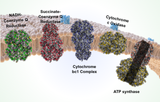
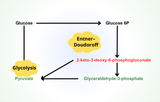
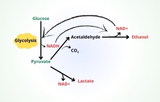
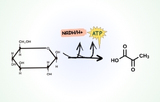
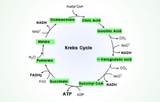
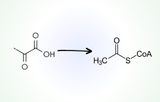
The process begins with glycolysis, which takes place in the cytoplasm and converts one molecule of glucose into two molecules of pyruvate, producing a net gain of two ATP and two NADH molecules. Under aerobic conditions, pyruvate enters the mitochondria and is converted into acetyl-CoA, which then fuels the citric acid cycle (Krebs cycle). This cycle generates NADH and FADH₂, high-energy molecules that carry electrons to the electron transport chain, where oxidative phosphorylation produces the majority of cellular ATP.
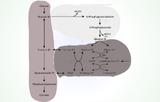
Other carbohydrates, such as fructose and galactose, can also feed into glycolysis through specific metabolic routes. The entire system is tightly regulated by key enzymes—like hexokinase, phosphofructokinase-1, and pyruvate dehydrogenase—and by hormonal signals such as insulin and glucagon to maintain energy balance. Overall, carbohydrate catabolism integrates glycolysis, the citric acid cycle, and oxidative phosphorylation to efficiently transform carbohydrates into usable energy, supporting essential cellular activities and overall organismal function.